
Founding & Early Growth (1845–1868)
-
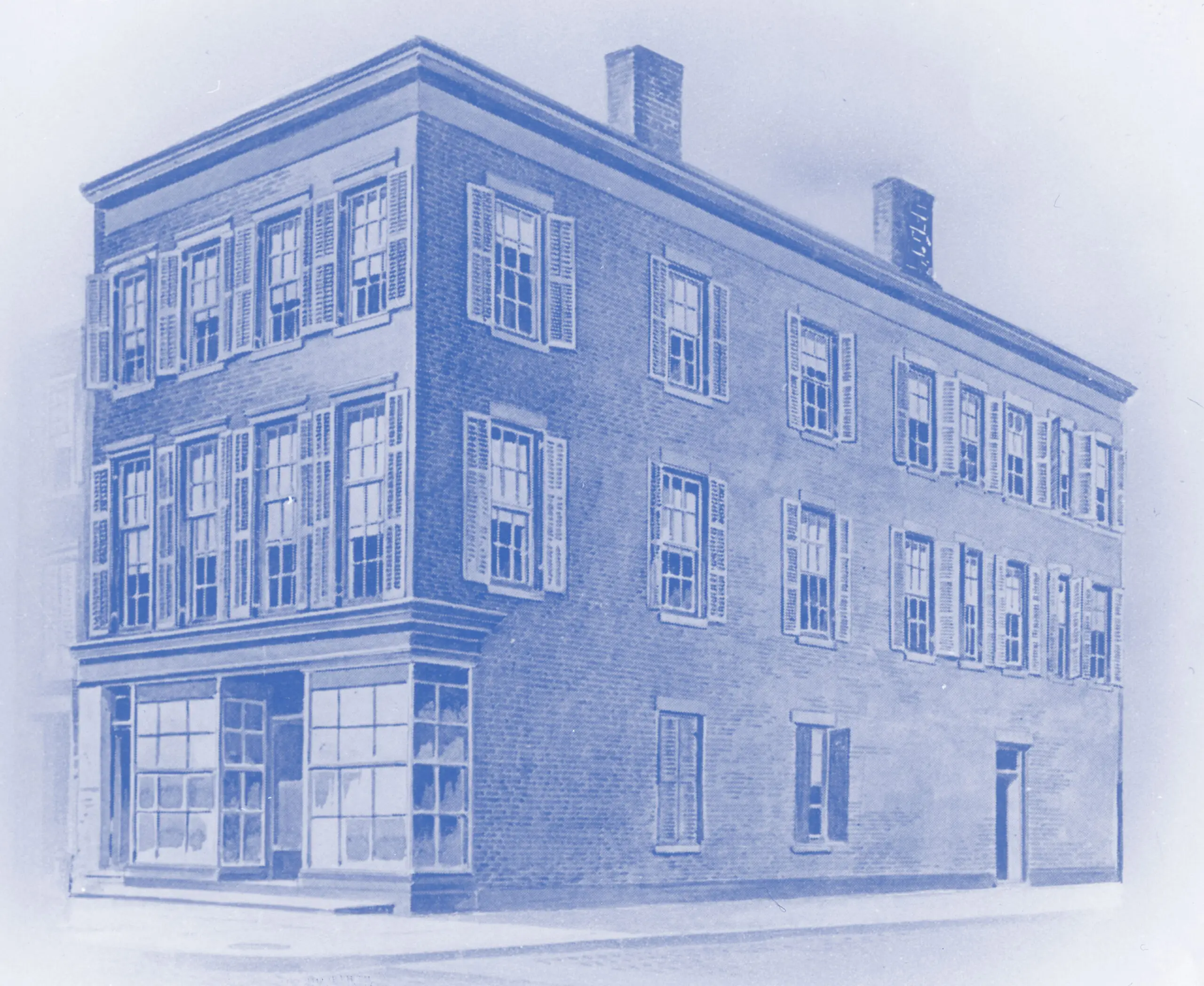
1845Thirty-seven German-speaking Jewish immigrants come together on the Lower East Side to establish the first Reform congregation in the city. They call themselves Emanu-El (God is with us). Some of these men had gathered the year prior and formed a Cultus Verein or Culture Society. While their spiritual hopes were plenty, their material resources were limited. Their first place of worship was a rented room on the second floor of a private residence at the corner of Grand and Clinton Streets.
-
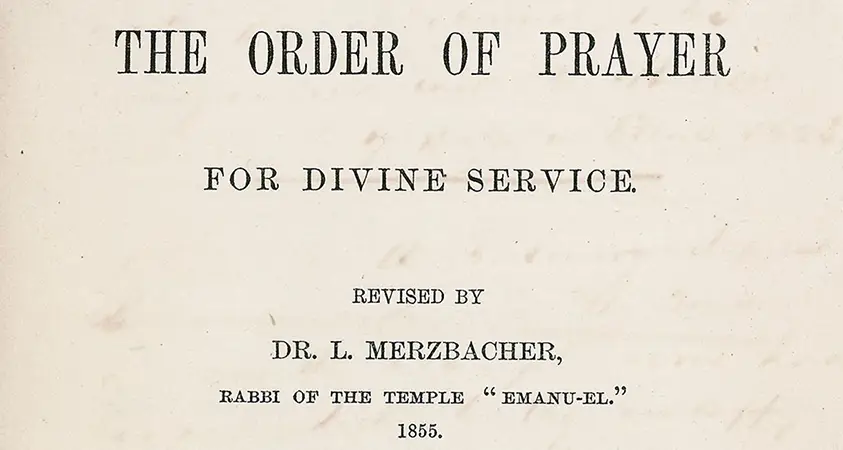
1845–55Rabbi Leo Merzbacher serves as the congregation's first rabbi. Merzbacher led the congregation in its many early innovations within Reform Judaism, such as family seating and one-day festivals. Among his contributions was a new prayer book published in 1855. The congregation continues to use a version of this prayer book until the early 1890s.
-
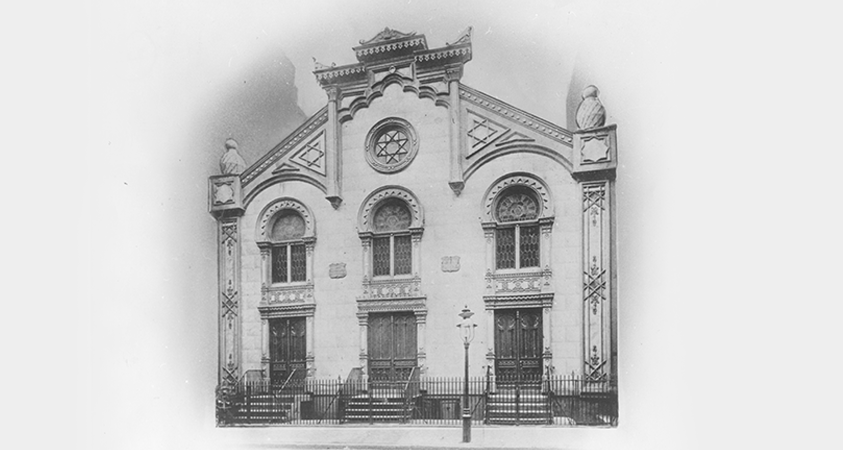
1848The congregation acquires a former Methodist church at 56 Chrystie Street and commissions noted Jewish architect Leopold Eidlitz to renovate it.
-
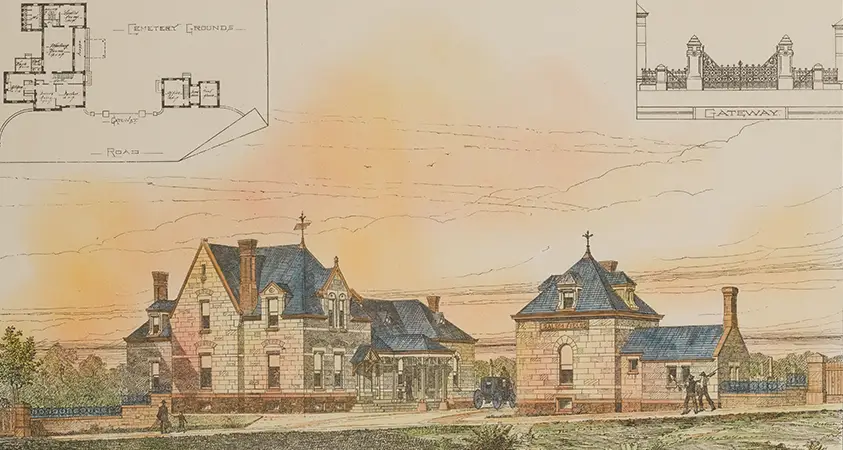
1851Emanu-El purchases land in Brooklyn for a cemetery. Spanning almost 45 acres in the Cypress Hills neighborhood, today, Salem Fields features lush landscaping and winding paths lined with grand mausoleums.
-
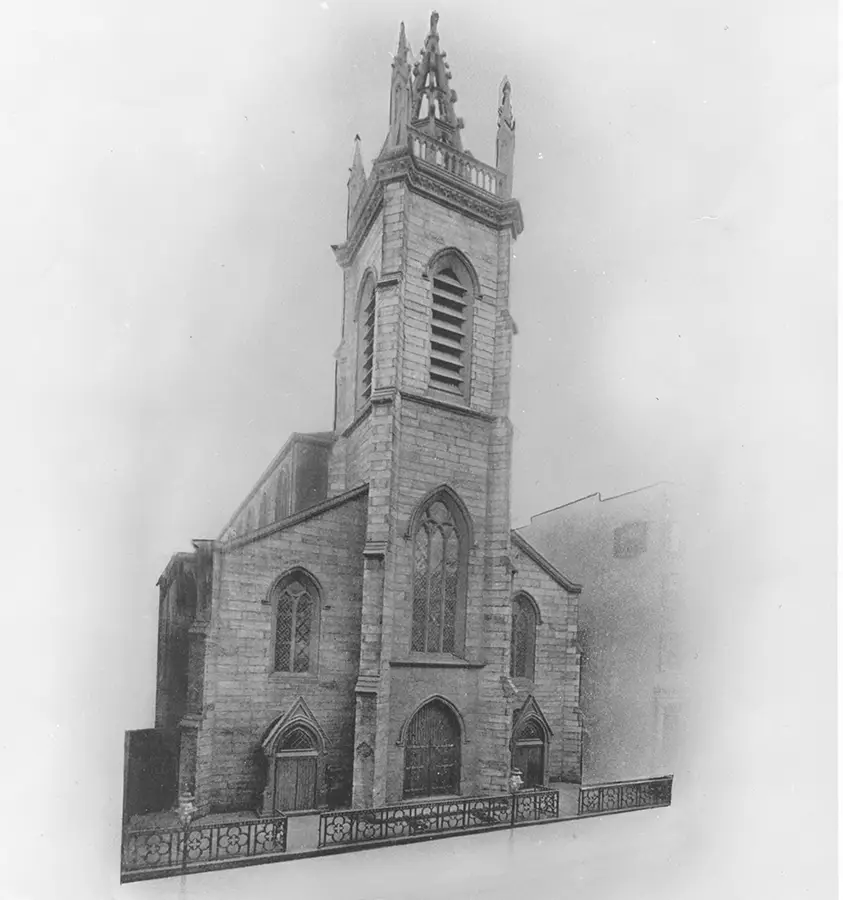
1854Emanu-El outgrows its building on Chrystie Street and continues to move 'uptown,' purchasing and remodeling, once again, a former church, this time on East Twelfth Street.
-
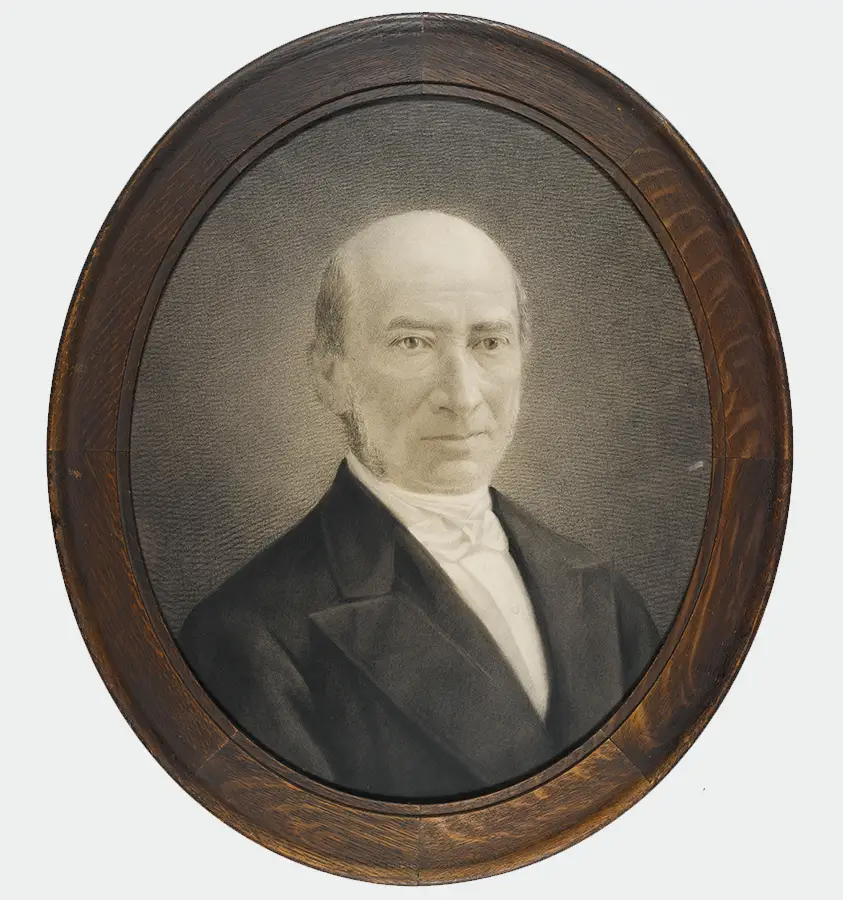
1856Following the death of Rabbi Merzbacher, the congregation appoints Dr. Samuel Adler as its rabbi. A native of Worms, Germany, he was a known leader in the Reform movement before moving to New York. Adler, like his predecessor, preached his sermons in German.
-
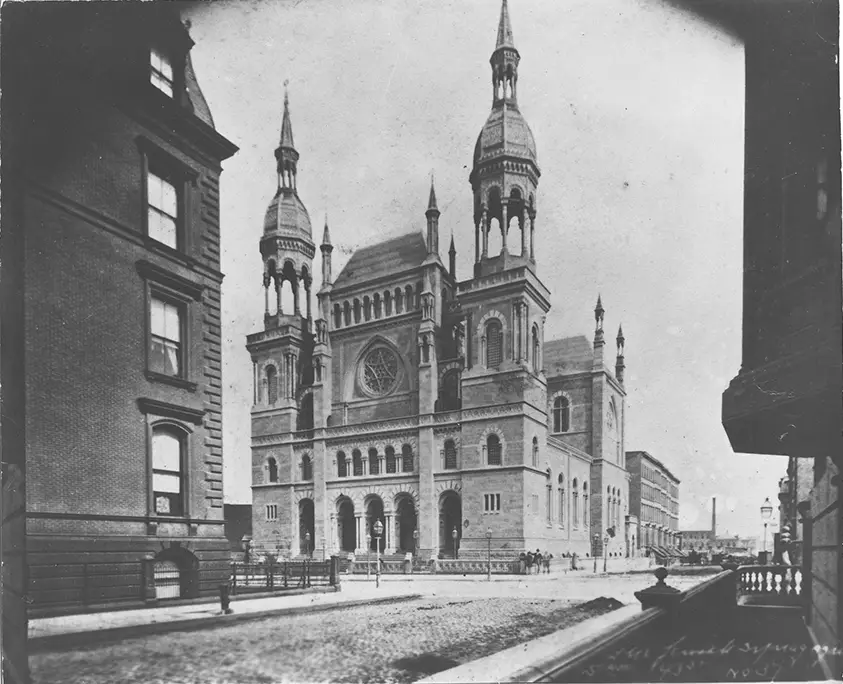
1868Emanu-El builds its first building from the ground up at the corner of Fifth Avenue and East 43rd Street. A critic of the time calls it "the finest example of Moorish architecture in the Western world." Leopold Eidlitz and Henry Fernbach are the architects.
Institutional Expansion (1874–1926)
-
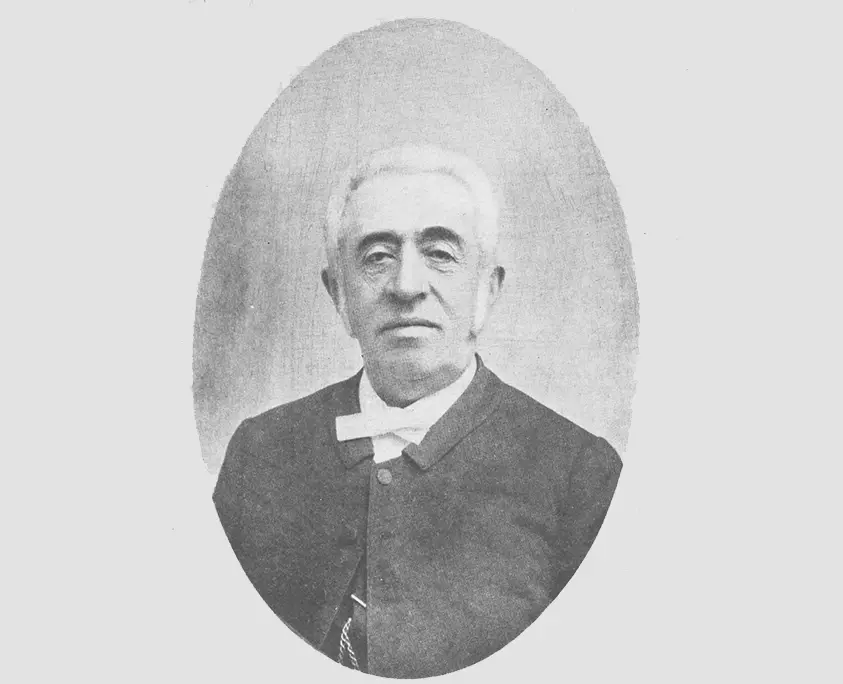
1874Dr. Gustav Gottheil is Emanu-El's first rabbi to conduct worship services in English. Born in 1827 in Prussia, he served as rabbi in Manchester, England before arriving in the U.S. He is the author of the first Jewish hymnal printed in America and the founder of the Association of Eastern Rabbis. Dr. Gottheil advances the cause of Reform Judaism in the U.S. and is a liturgical innovator.
-
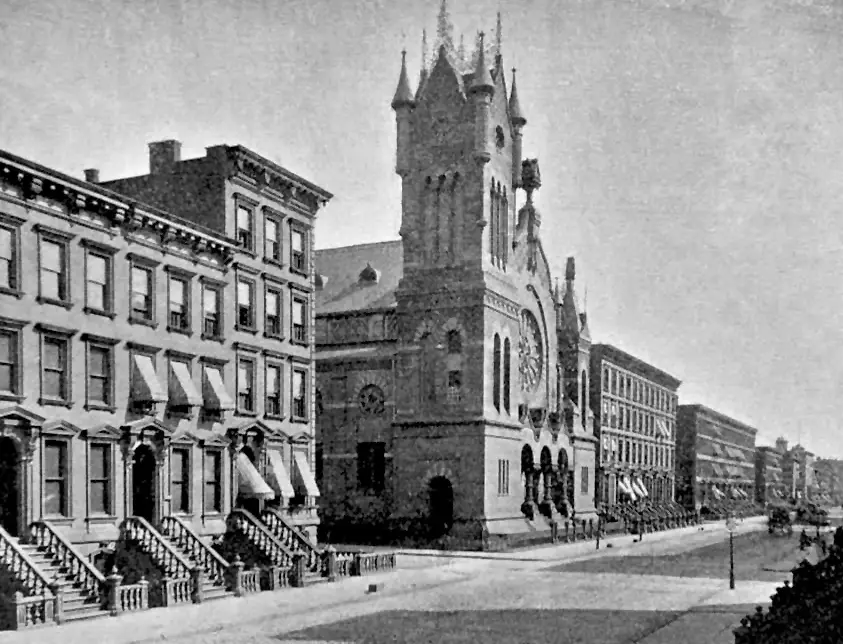
1874Temple Beth-El, which will merge with Emanu-El in 1926, is formed by the consolidation of two established congregations: Anshe Chesed and Adath Jeshurun. They select David Einhorn as their first rabbi. The congregation is located at Lexington Avenue and East 63rd Street.
-
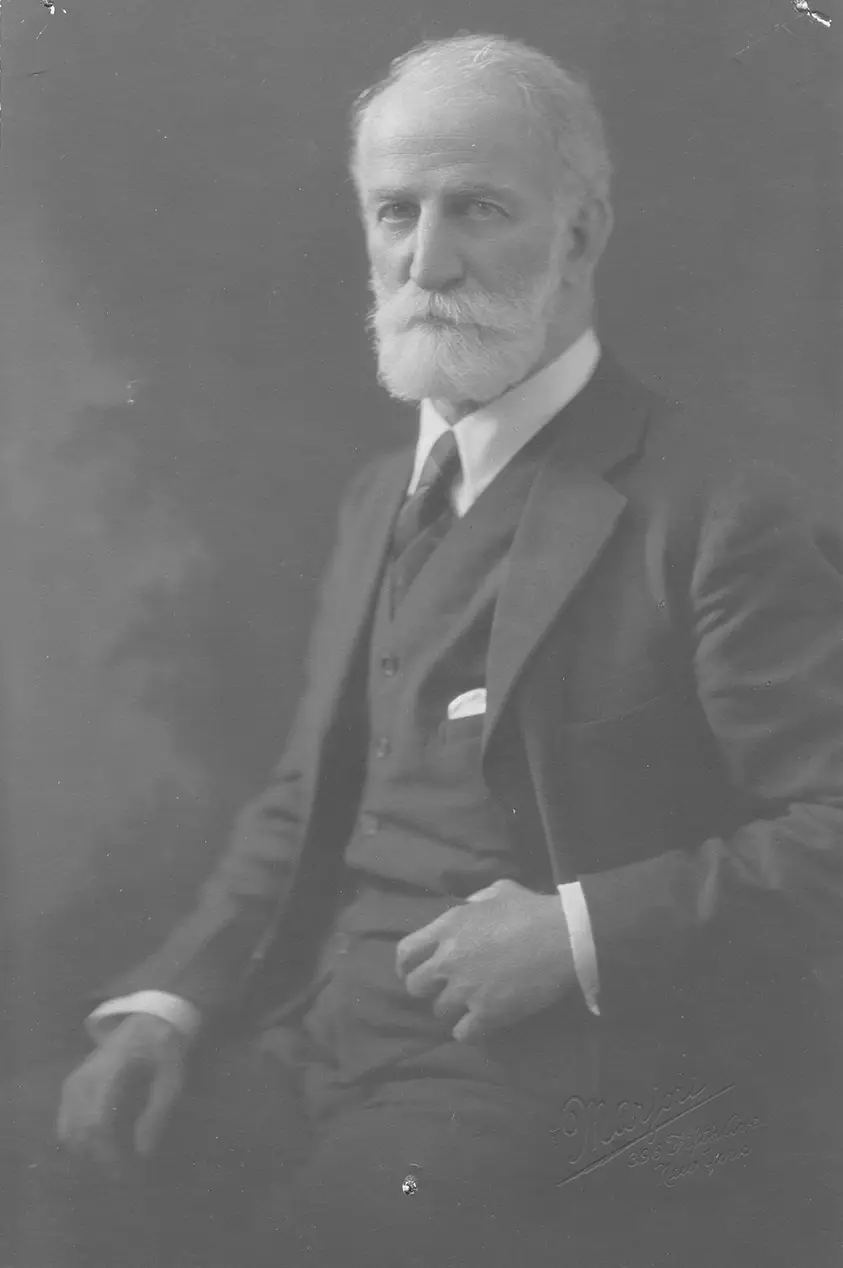
1888Dr. Joseph Silverman, a member of Hebrew Union College's second graduating class, joins the rabbinical staff of Emanu-El, the first American-born rabbi to lead the congregation.
-
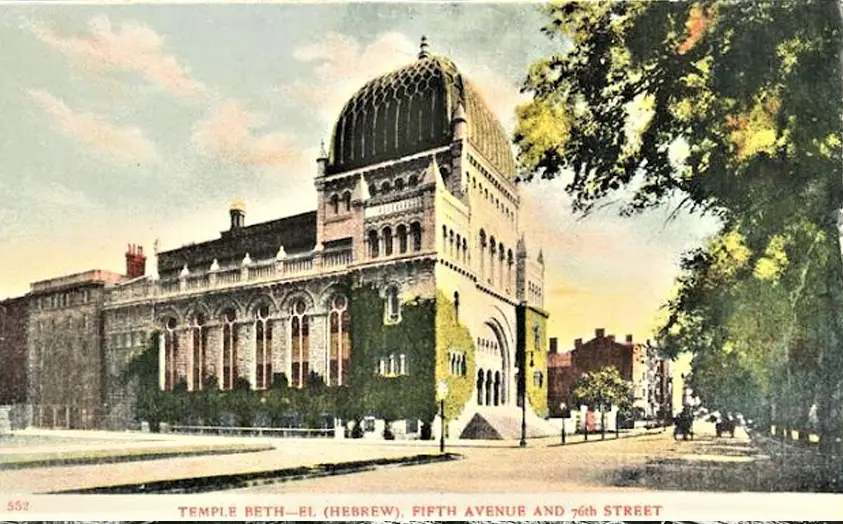
1891Temple Beth-El builds its first building from the ground up on the corner of Fifth Avenue and East 76th Street. Arnold Brummer is the architect. Known for its large, faceted dome, the structure becomes a landmark on Fifth Avenue.
-
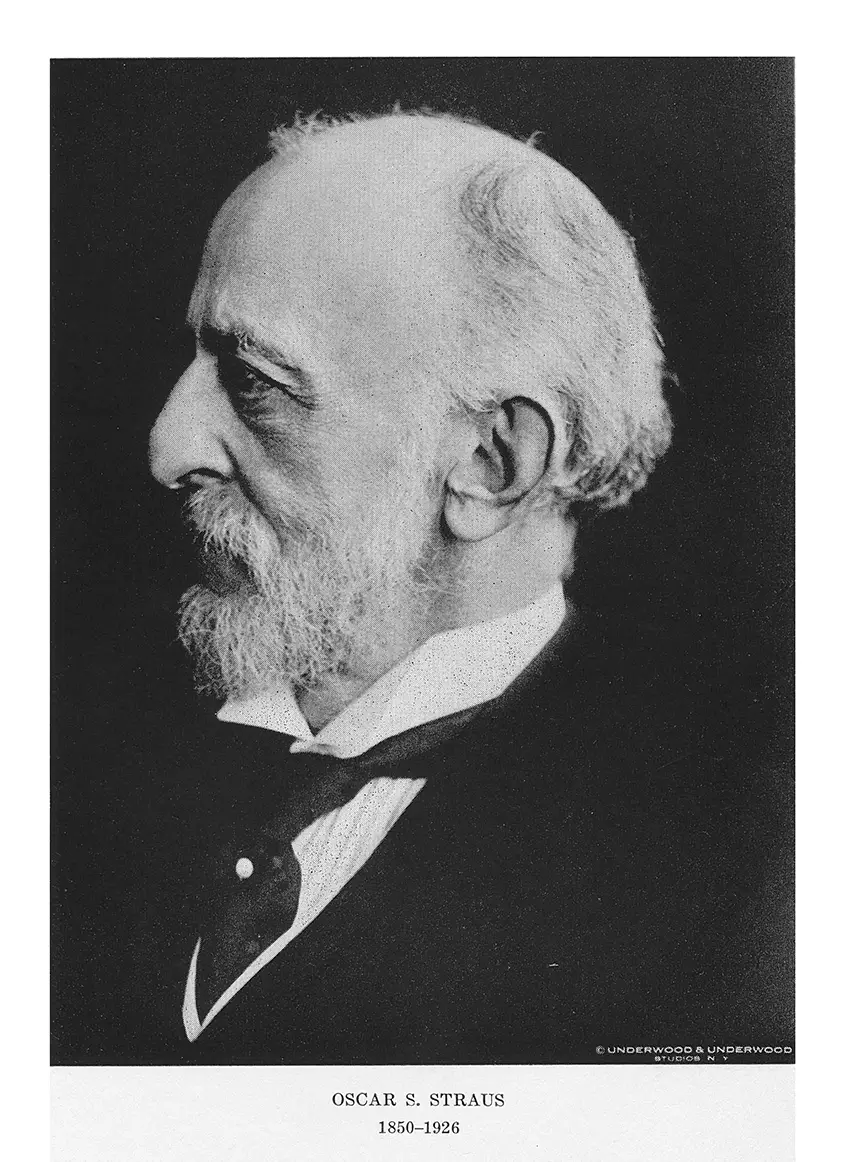
1903Oscar S. Straus, a member of Beth-El, is appointed Secretary of Commerce and Labor by President Theodore Roosevelt. He is the first Jew to hold a cabinet post in the United States.
-
1906Louis Marshall, later to become the temple's president, along with fellow members Felix Warburg, Adolph Lewisohn, Daniel Guggenheim, and Rabbi Judah L. Magnes, help create the American Jewish Committee as a response to pogroms in Eastern Europe.

-
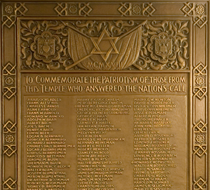
1918Two hundred twenty-nine members of the congregation serve in World War I; seven make the supreme sacrifice. A commemorative honor roll is erected in the temple.
-
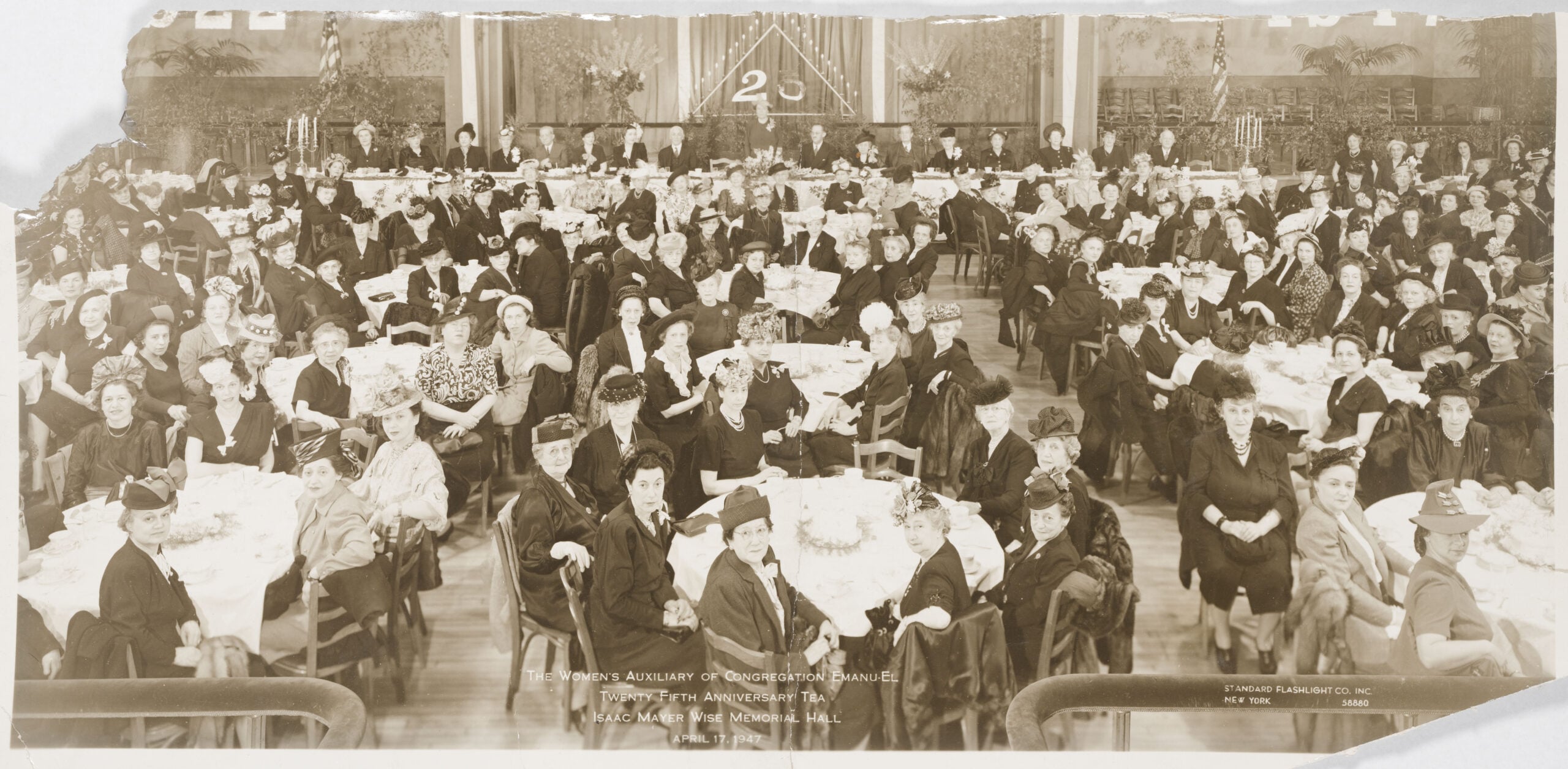
1922The Women's Auxiliary, now the Women of Emanu-El, is founded.
-
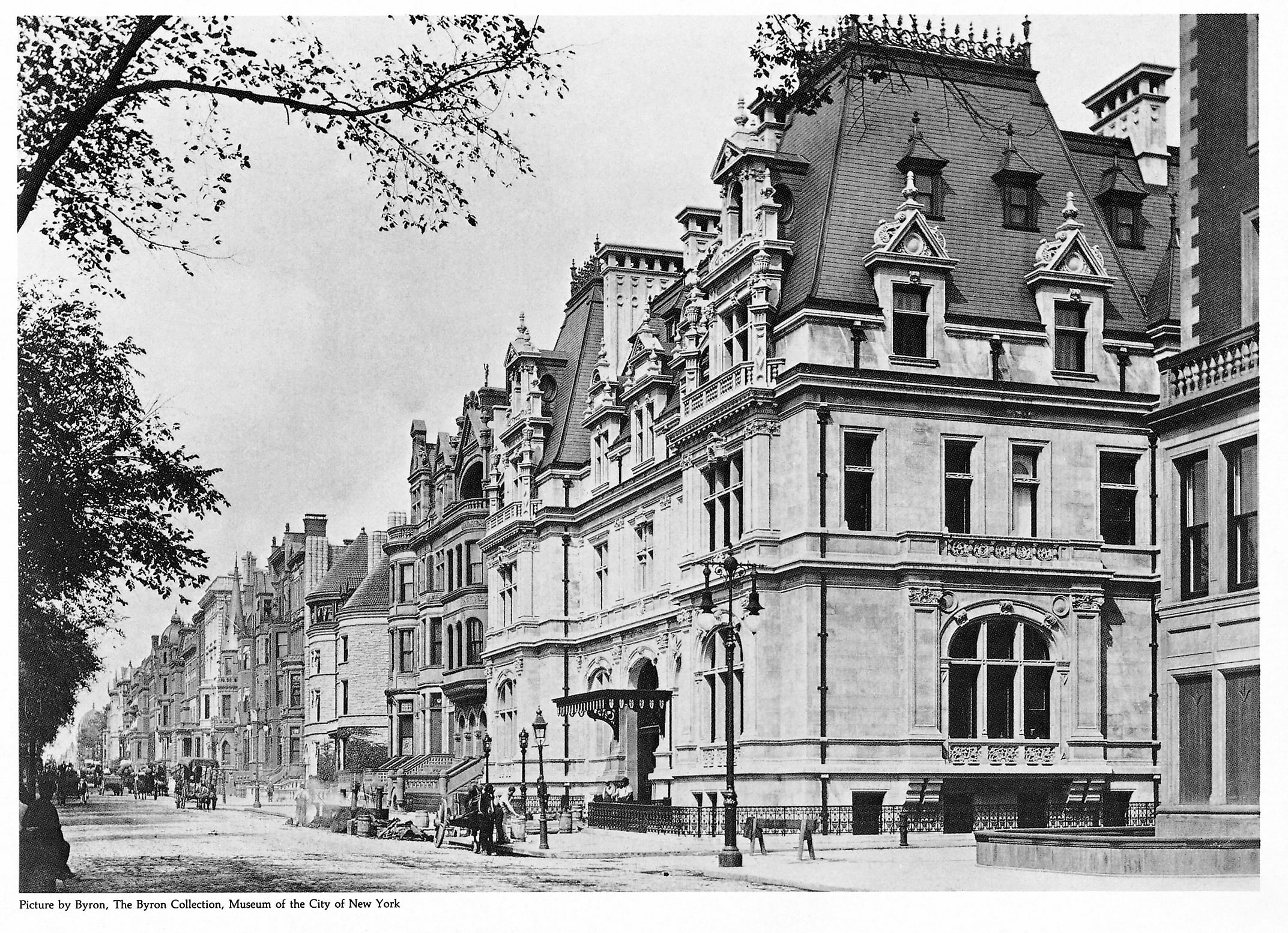
1926Emanu-El's membership has tripled since 1895. The midtown building is no longer a conducive place for worship. Midtown is overflowing with construction of skyscrapers, and congregants begin moving further uptown. Emanu-El consolidates with Temple Beth-El. The two congregations come together as one and purchase a piece of land on Fifth Avenue at 65th Street, the site of the Astor family mansion.
A Landmark for the Ages (1927–1945)
-
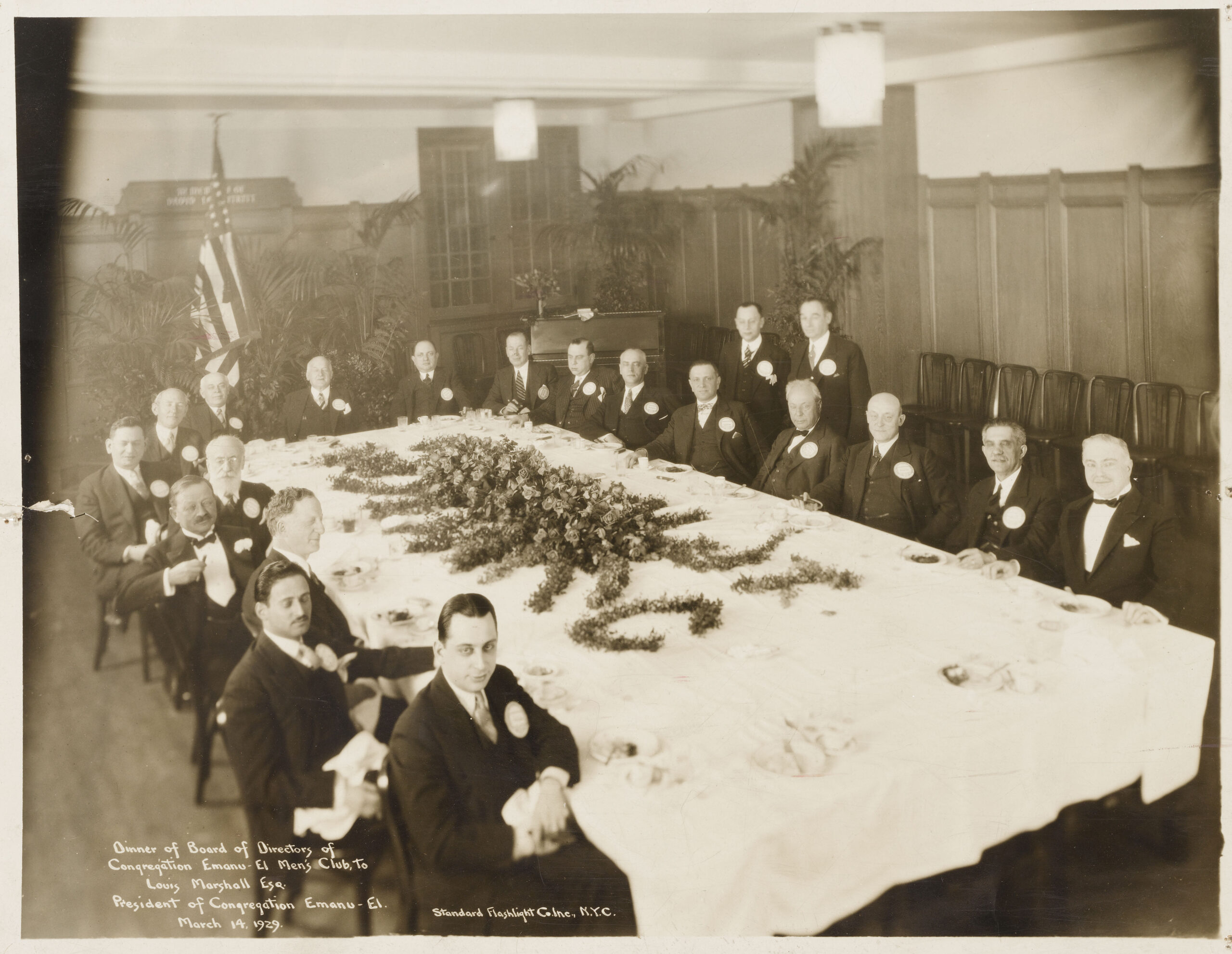
1927The Men's Club is founded.
-
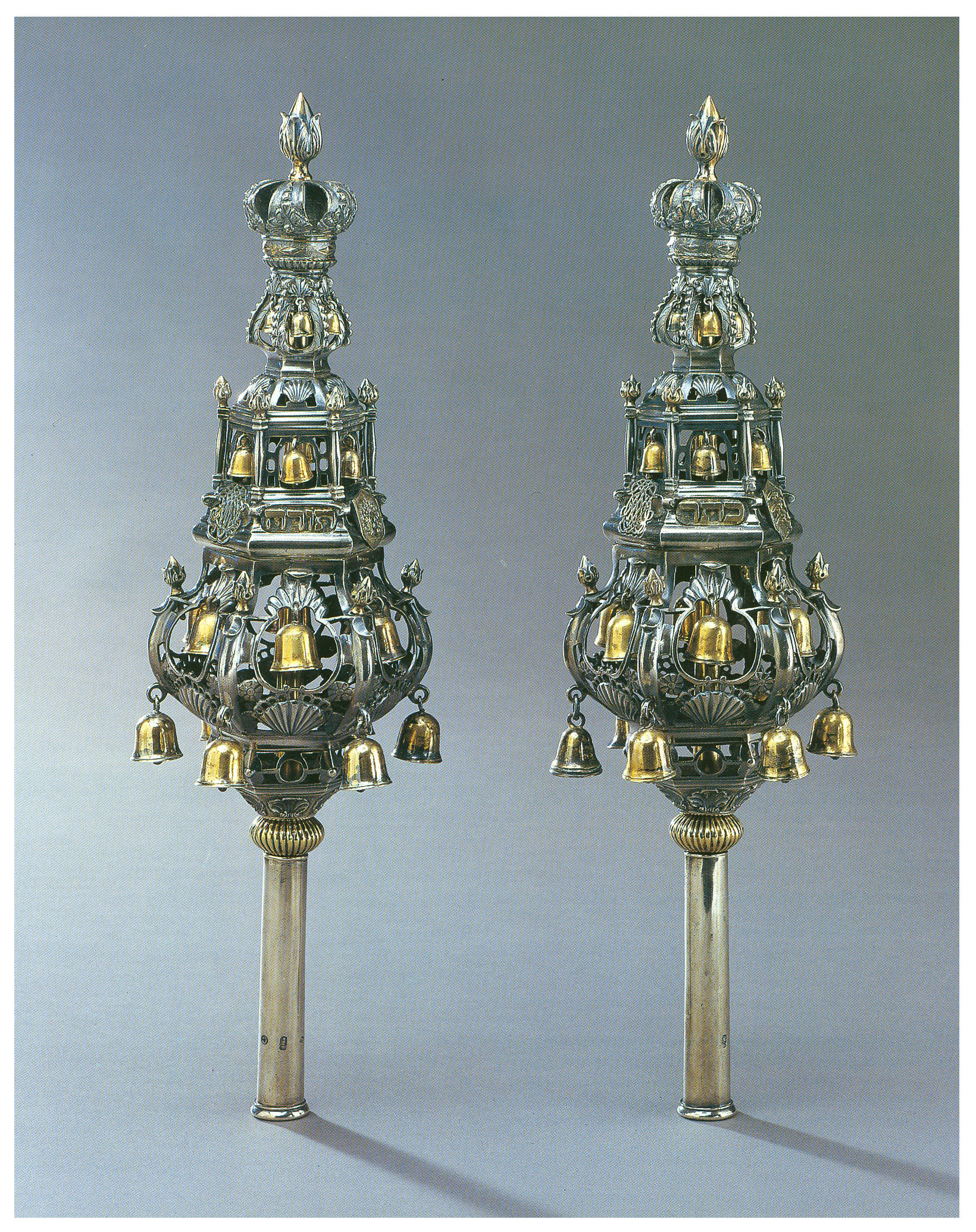
1928Mr. Henry M. Toch, temple treasurer, and his wife Dora donate their family's collection of Judaica to the temple.
-
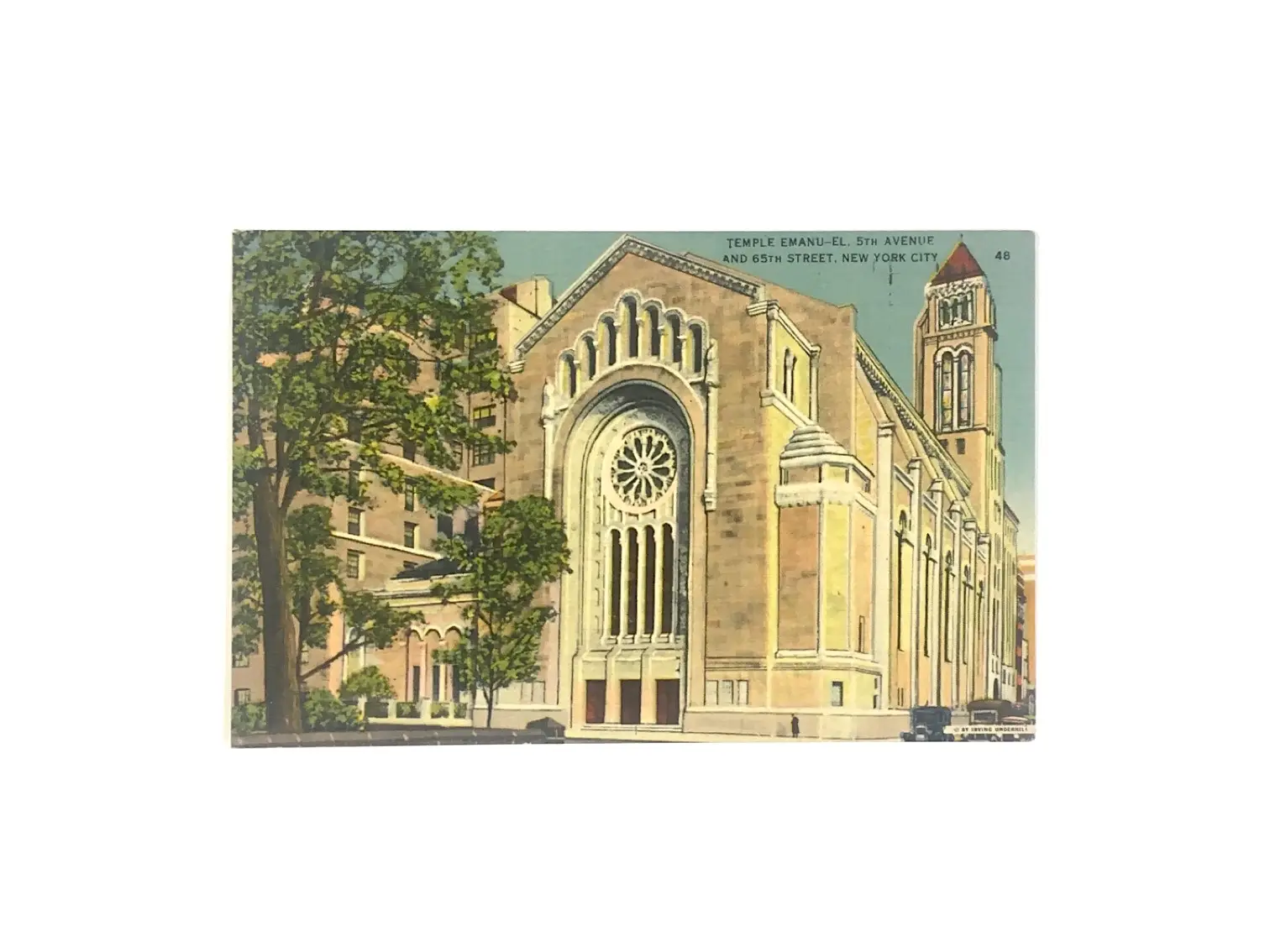
1929–1930Construction of the new temple takes two years. The first worship service to be held is Rosh Hashanah 1929.

-
The temple is formally dedicated in January 1930.
-
1942The Isaac Mayer Wise Hall becomes a USO canteen for Allied servicemen and women. Between 1942 and 1945, more than 1,350,000 members of the military visit Emanu-El.

-
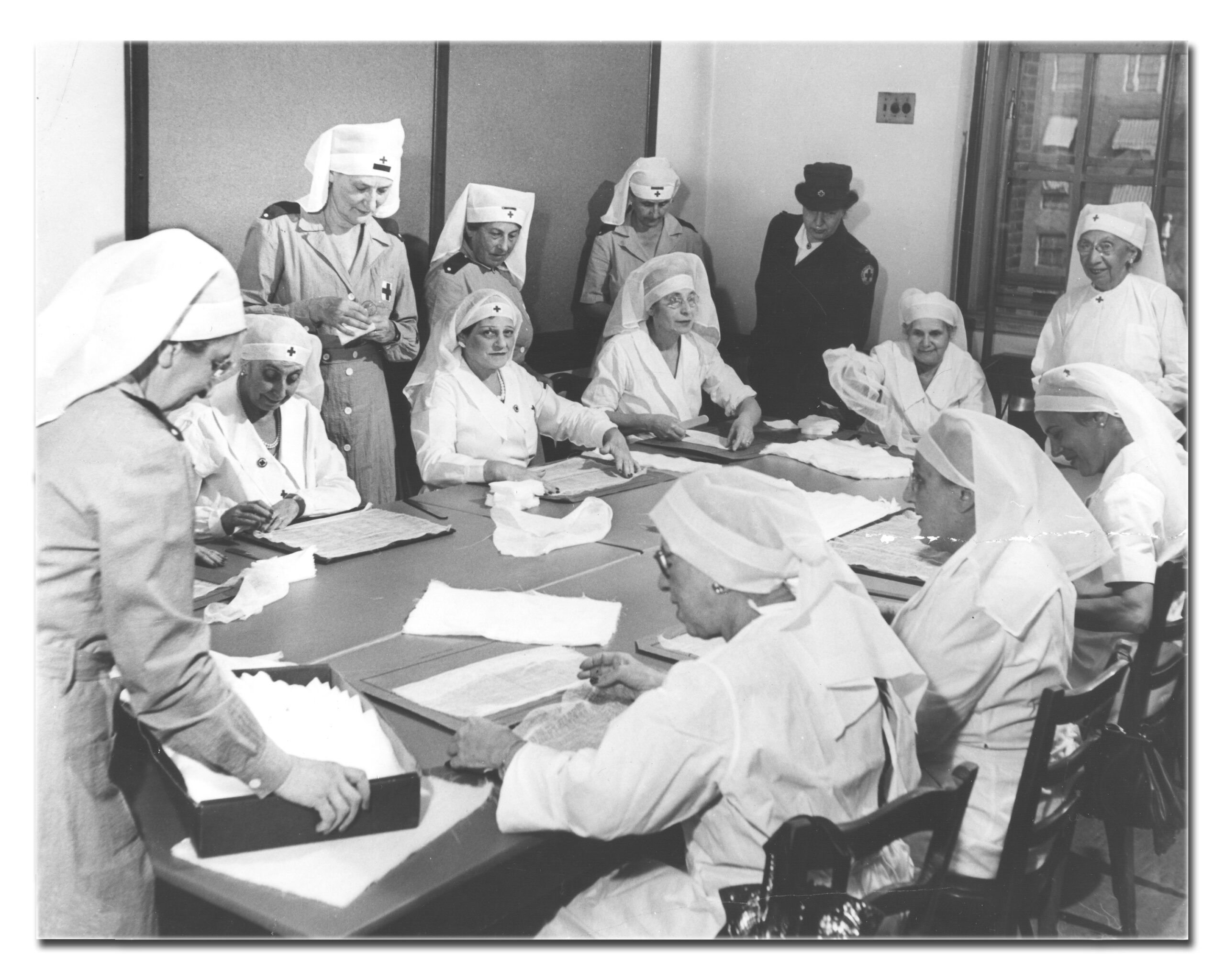
1943Emanu-El's women establish a Red Cross unit, producing 75,000 surgical bandages each month to help the war effort.
-
1945Emanu-El begins the broadcast of its Sabbath services on radio station WQXR. The same year the Daily Sunset Service begins.

Postwar Community Building (1948–1975)
-
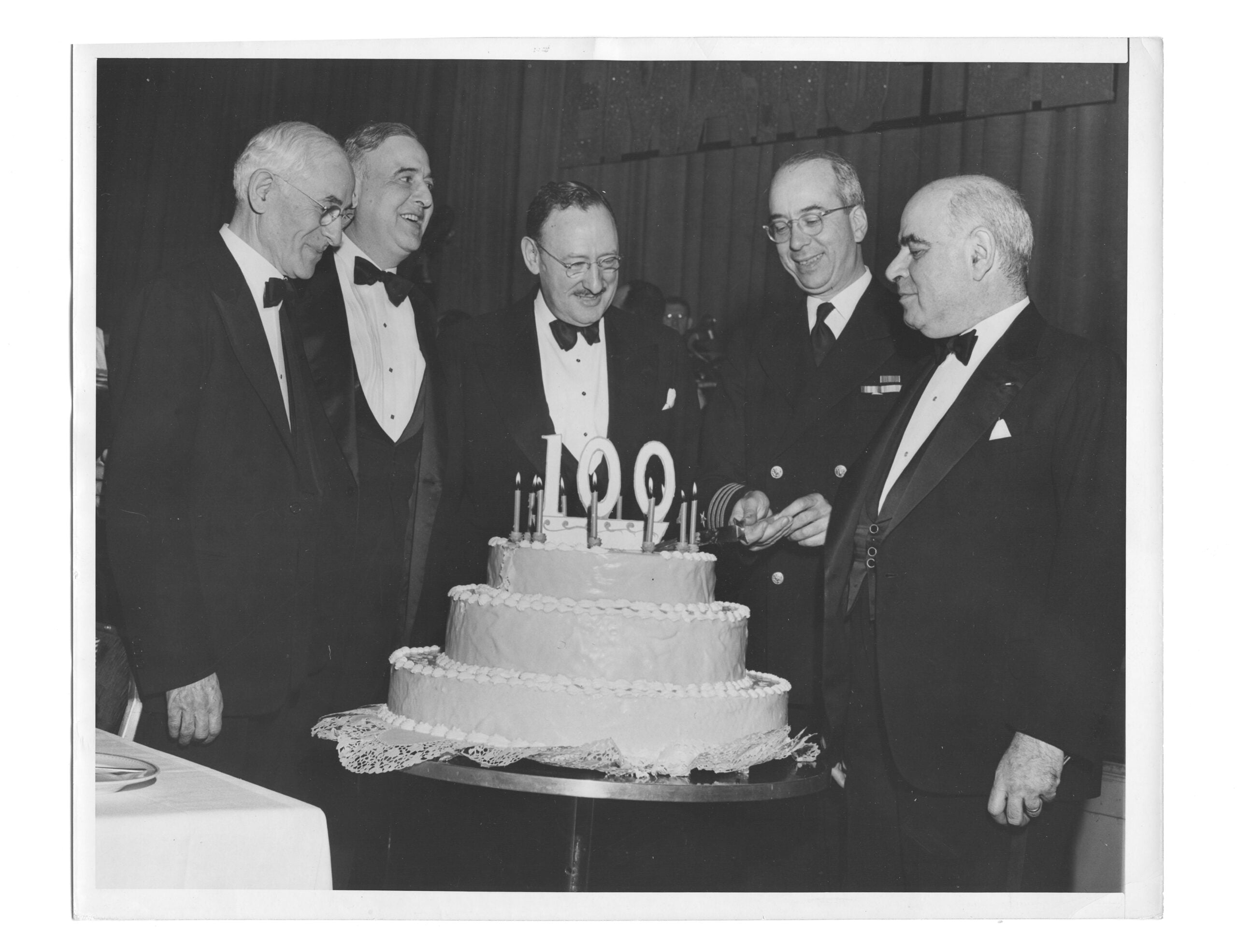
1948Emanu-El marks its first century with a seven-month celebration, lectures, concerts and a series of interfaith forums.
-
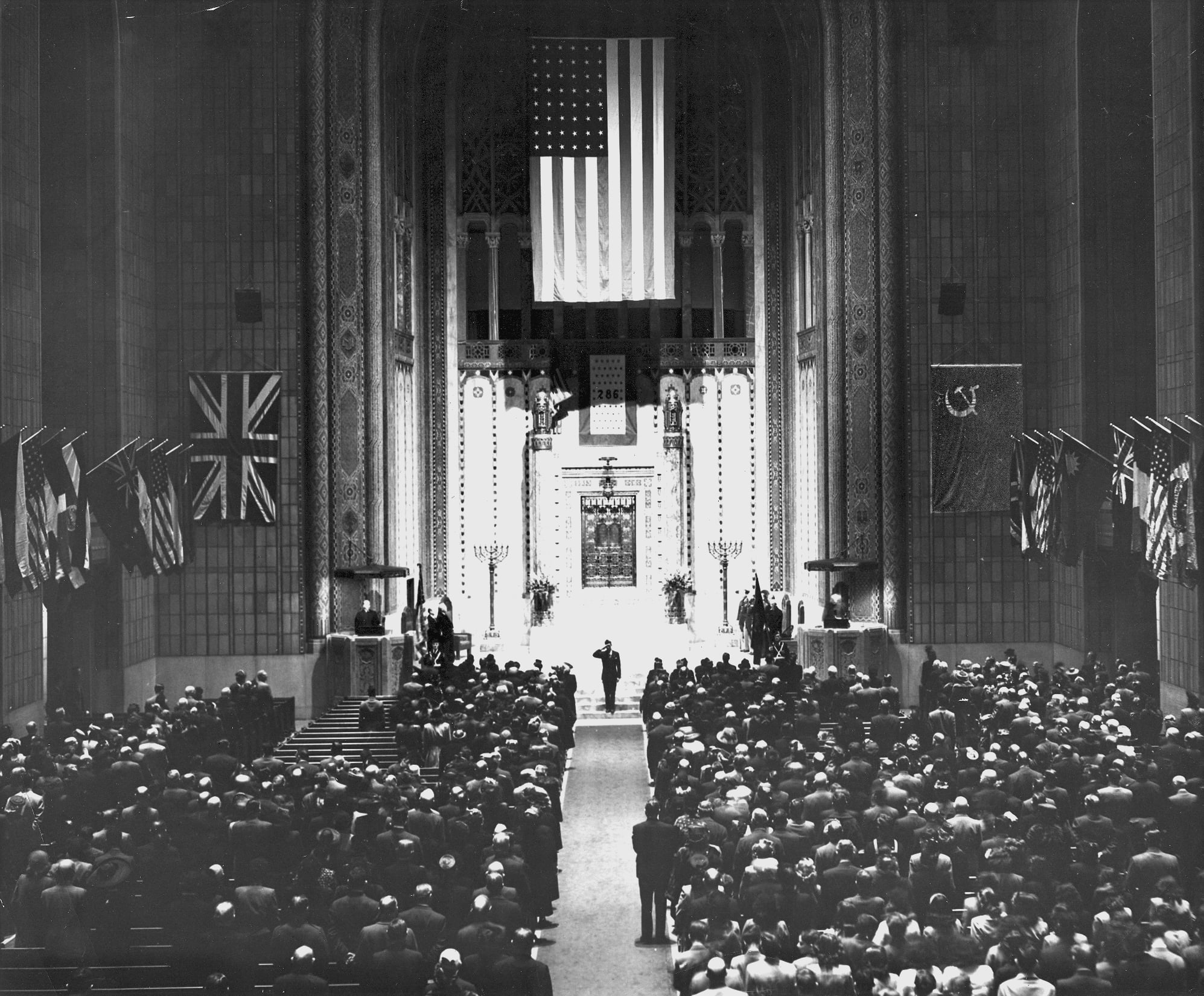
By the end of WWII, 591 members of the congregation had served in the military and 22 were killed. A commemorative plaque is erected to honor and memorialize them.
-
Dr. Julius Mark, a former Naval chaplain, becomes senior rabbi.

-
1951To serve the need on the Upper East Side for early childhood education, the Emanu-El Nursery School is established.

-
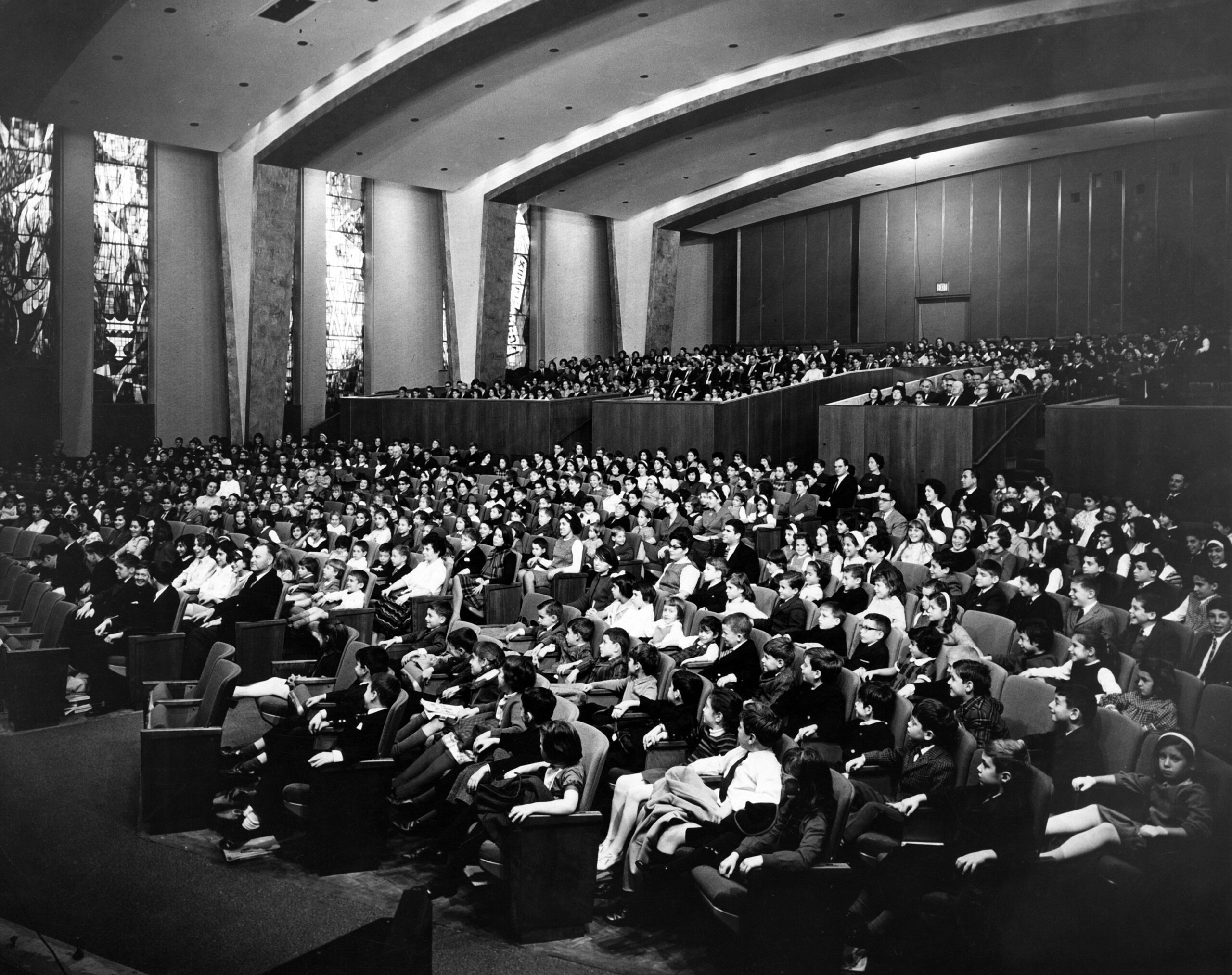
1964To accommodate the growing congregation and religious school, the Goldsmith Religious School Building is dedicated. The six-story structure, with its Lowenstein Auditorium, provides classroom space for 1,000 students.
-
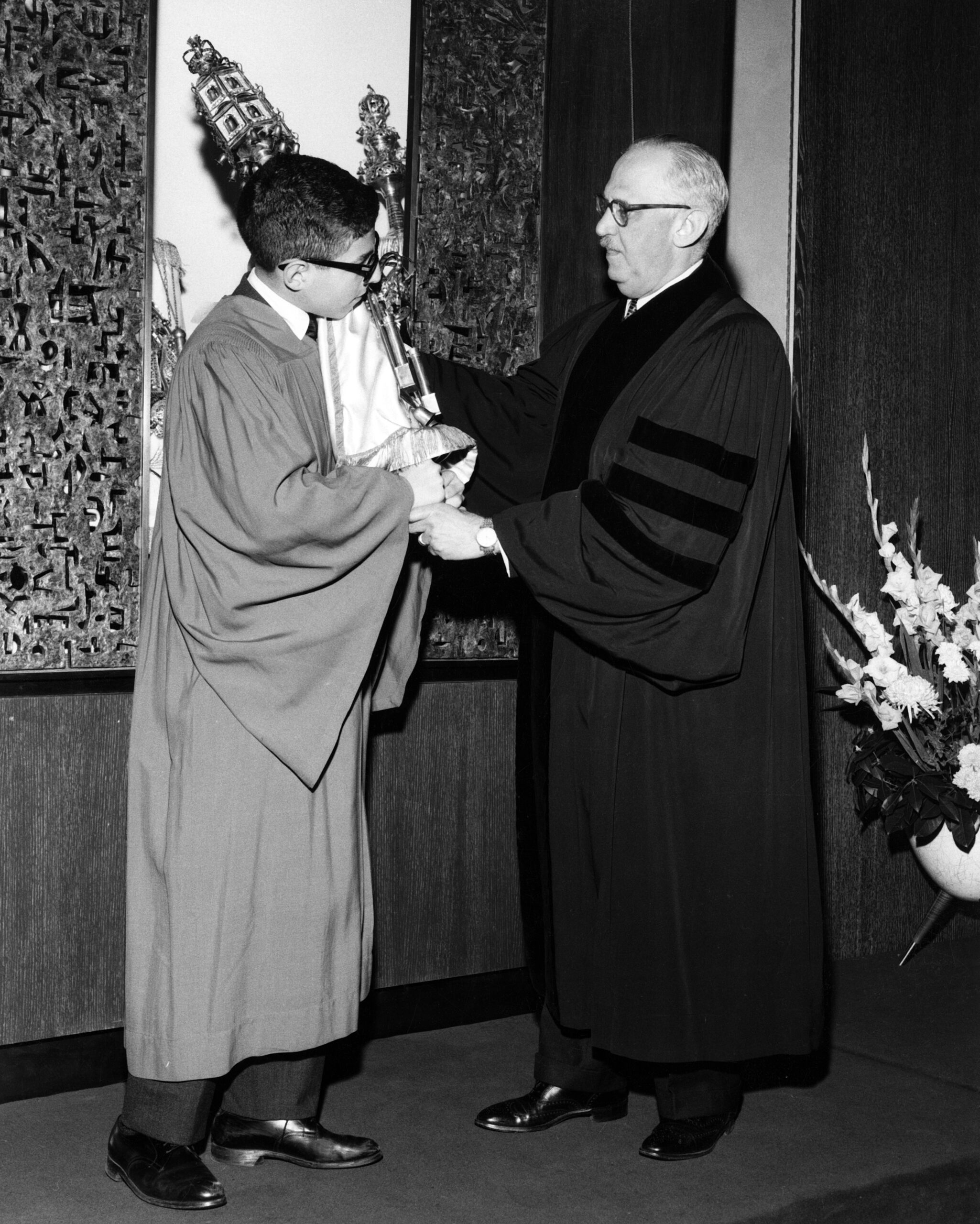
1973Senior Rabbi Dr. Nathan A. Perilman retires after almost 42 years of service to the congregation.
-
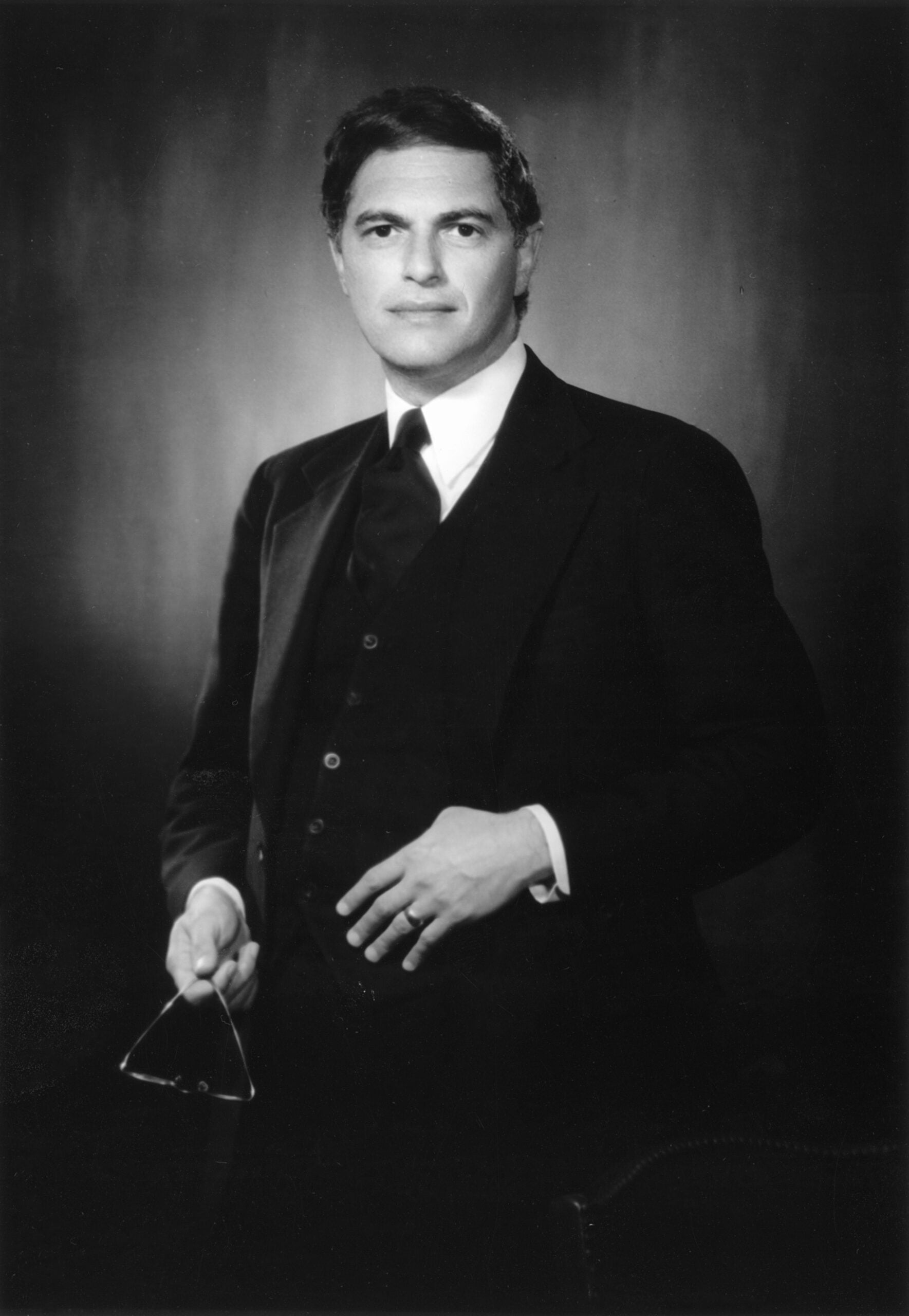
1974A member of the Emanu-El rabbinate since 1962, Dr. Ronald B. Sobel becomes senior rabbi.
-
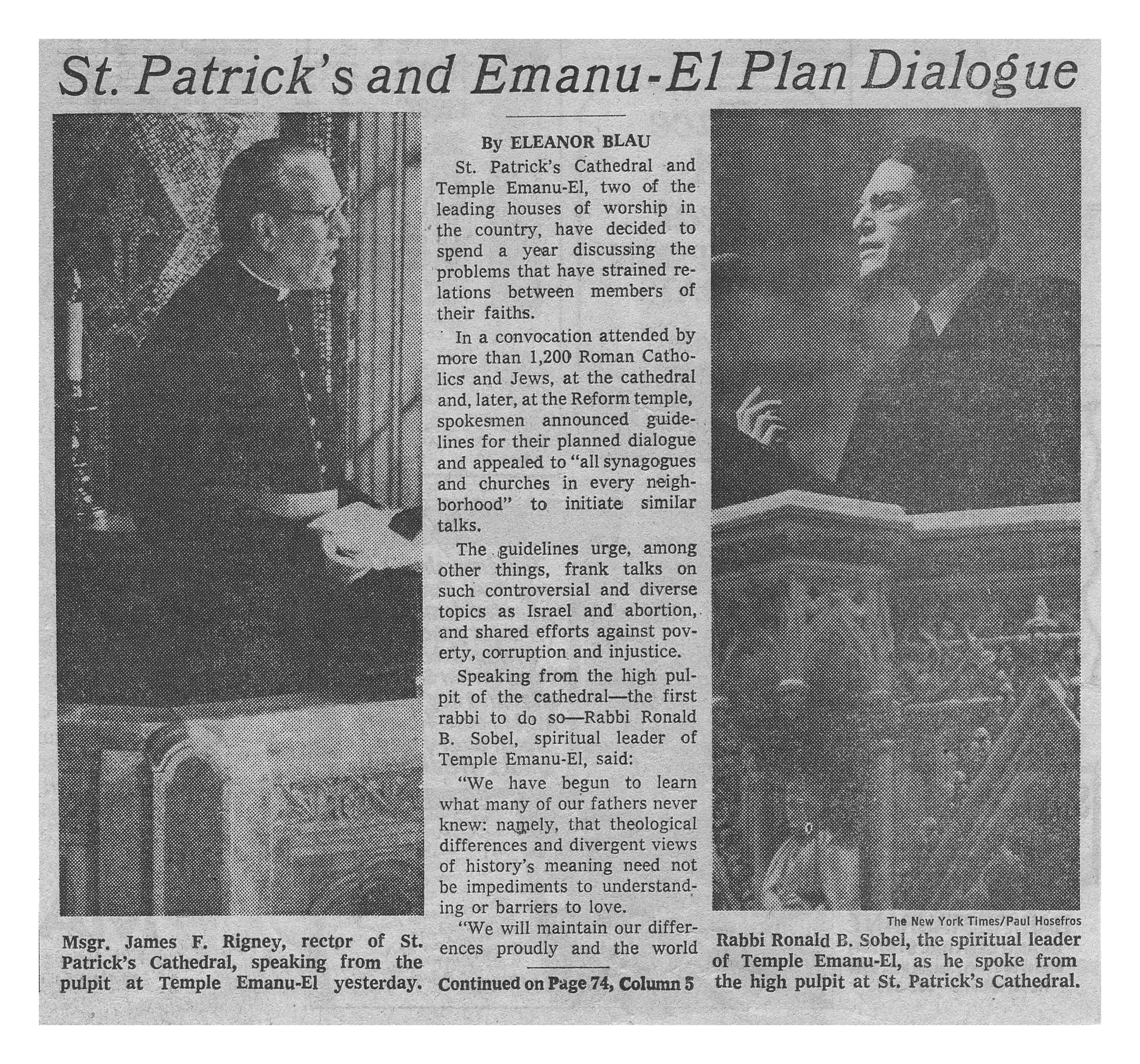
1975Dr. Sobel becomes the first rabbi to speak from the pulpit of St. Patrick's Cathedral. The Rector of St. Patrick's, Monsignor James F. Rigney, takes the pulpit at Emanu-El, leading to ongoing dialogue between the two houses of worship.
Modern Reform Leadership (1982–2002)
-
1982The lay-led Sunday Lunch Program is established in order to serve the growing needs of New Yorkers facing food insecurity.
-
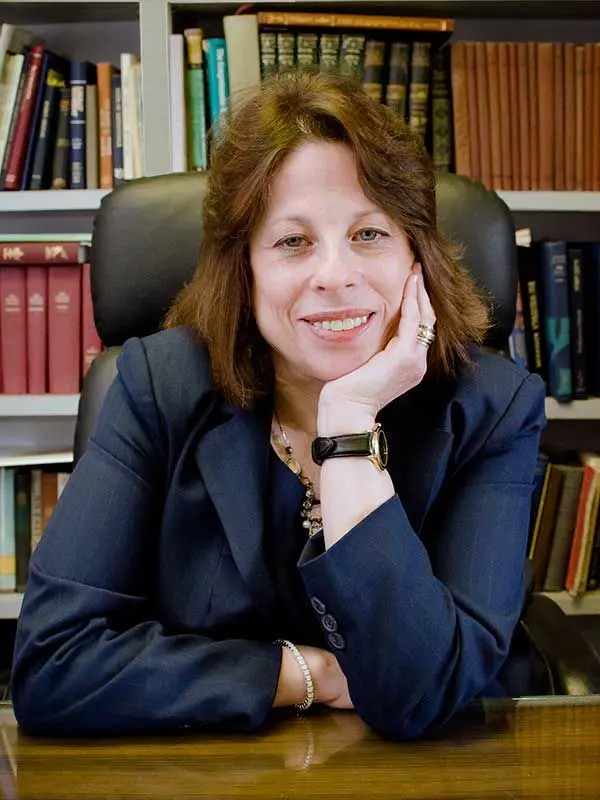
1985Rabbi Linda Henry Goodman becomes Emanu-El's first female rabbi.
-
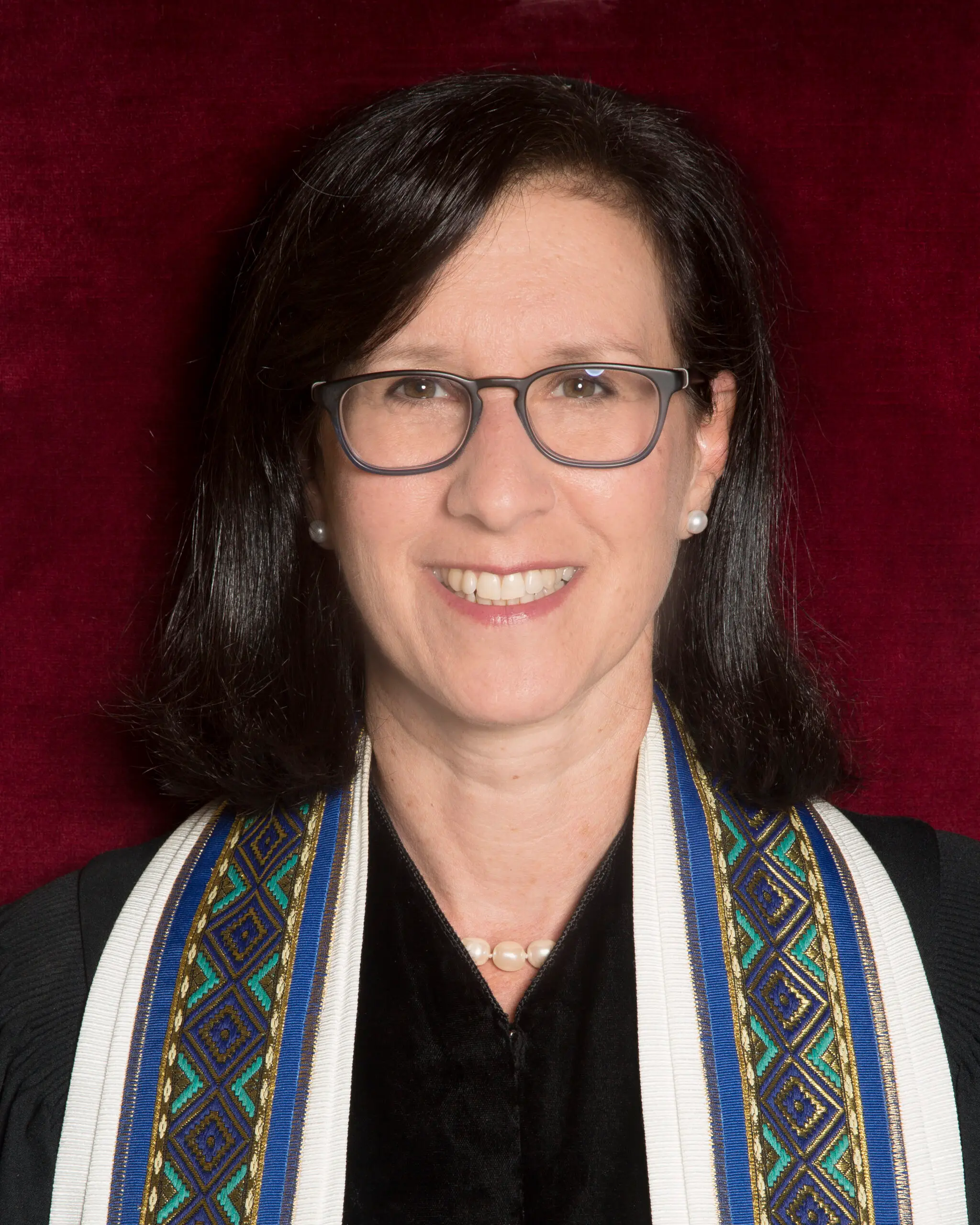
1988Rabbi Amy B. Ehrlich joins the clergy.
-
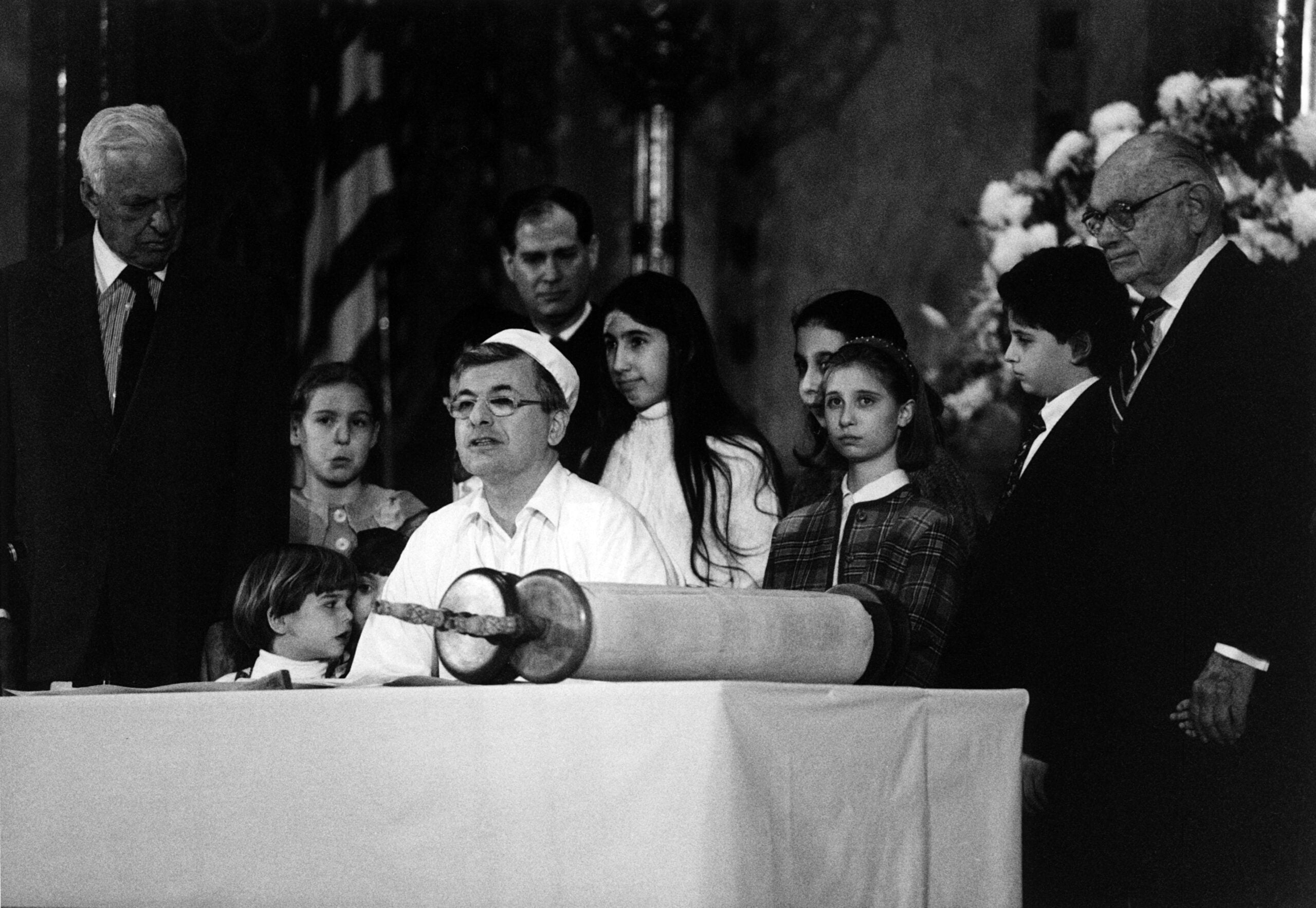
1995The congregation celebrates its 150th anniversary with a year-long series of religious, educational and musical events around the theme "A Celebration of Understanding: Our Selves, Our Friends, Our City, Our Future." A new Torah scroll is commissioned thanks to the generosity of Herbert and Eileen Bernard. An historic pilgrimage from the Lower East Side to each of our past buildings was undertaken.
-
1997The Herbert & Eileen Bernard Museum opens to the public to educate and display the congregation's collection of ritual and ceremonial objects.

-
1997The congregation streams an audio broadcast of the Passover Seder, the first religious service on the internet.
-
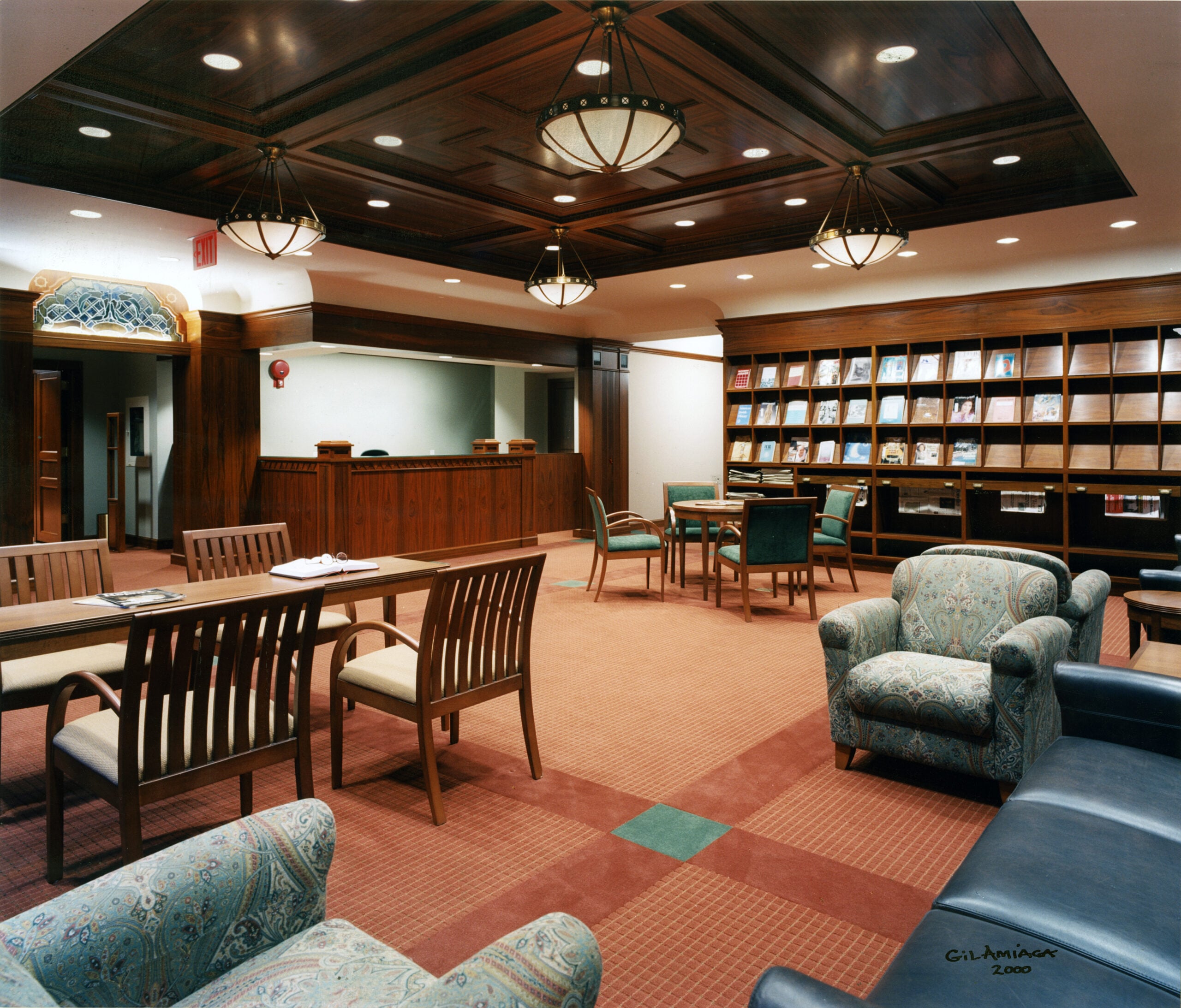
1999The Ivan M. Stettenheim Library is rededicated on the fifth floor of the Community House.
-
2001The Skirball Center for Adult Jewish Learning is established.

-
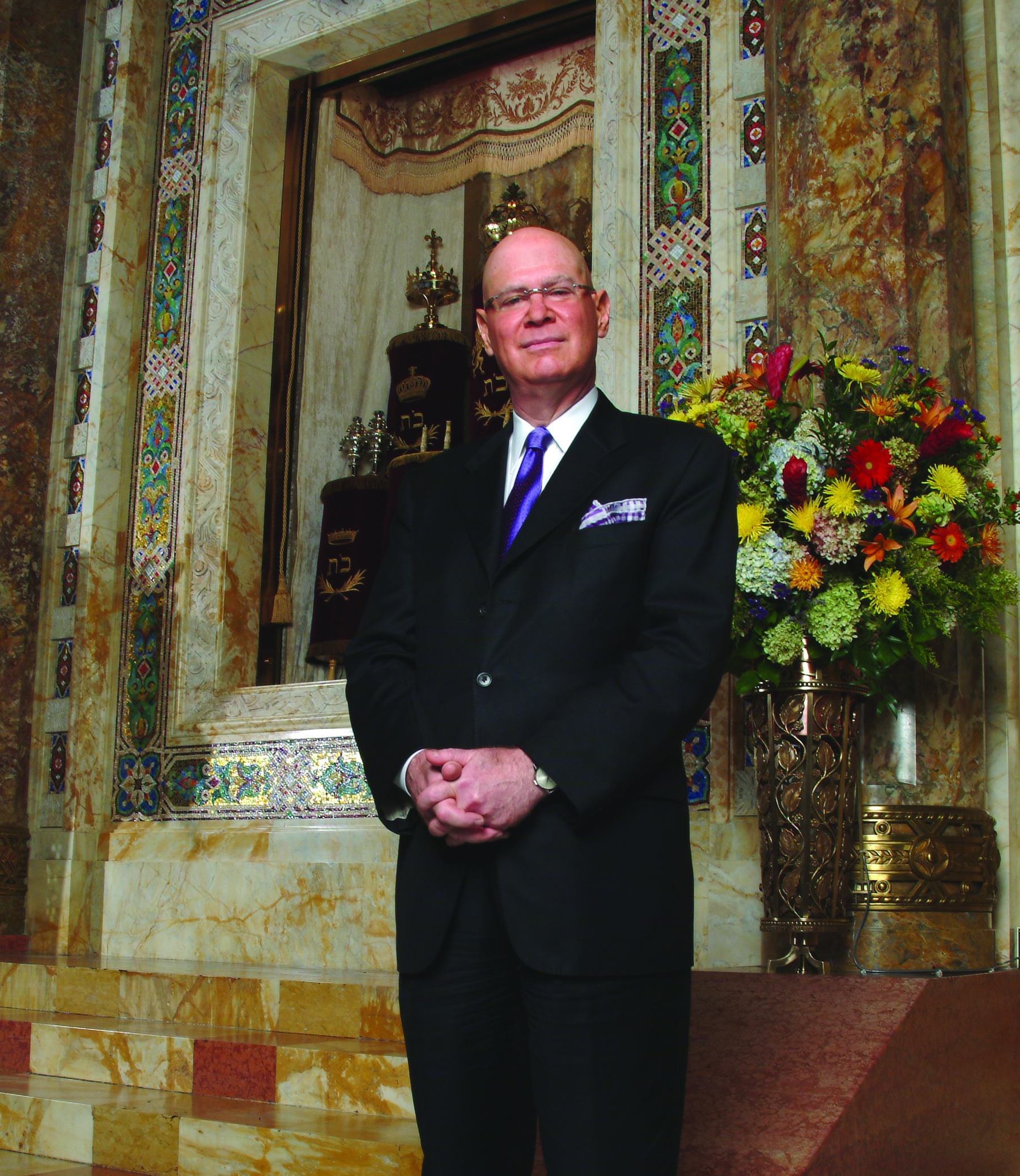
2002A member of Emanu-El's rabbinate since 1973, Dr. David M. Posner becomes senior rabbi.
Expanding Our Reach (2004–Present)
-
2004Cantor Lori Corrsin becomes Emanu-El's first woman cantor. Our music program, influenced by classical European Jewish composers of the late 19th and early 20th centuries, with cantor, choir and organ bringing the Jewish musical motifs of Sulzer, Lewandowski, and Naumbourg to life, broadens to include contemporary composers.
-
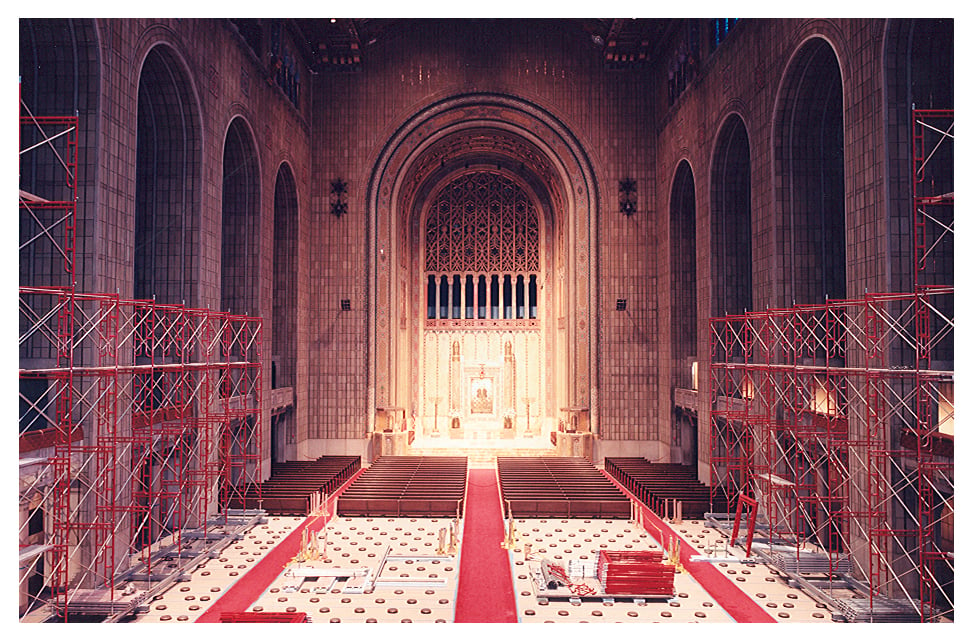
2006The temple completes a four-year, top-to-bottom renovation.
-
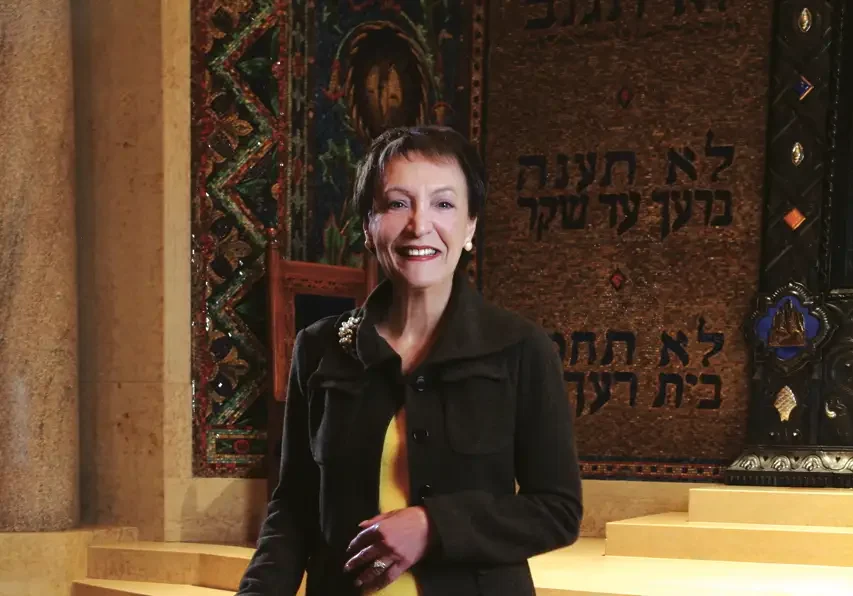
2007Marcia Waxman is elected as the first woman president in Emanu-El's history.
-
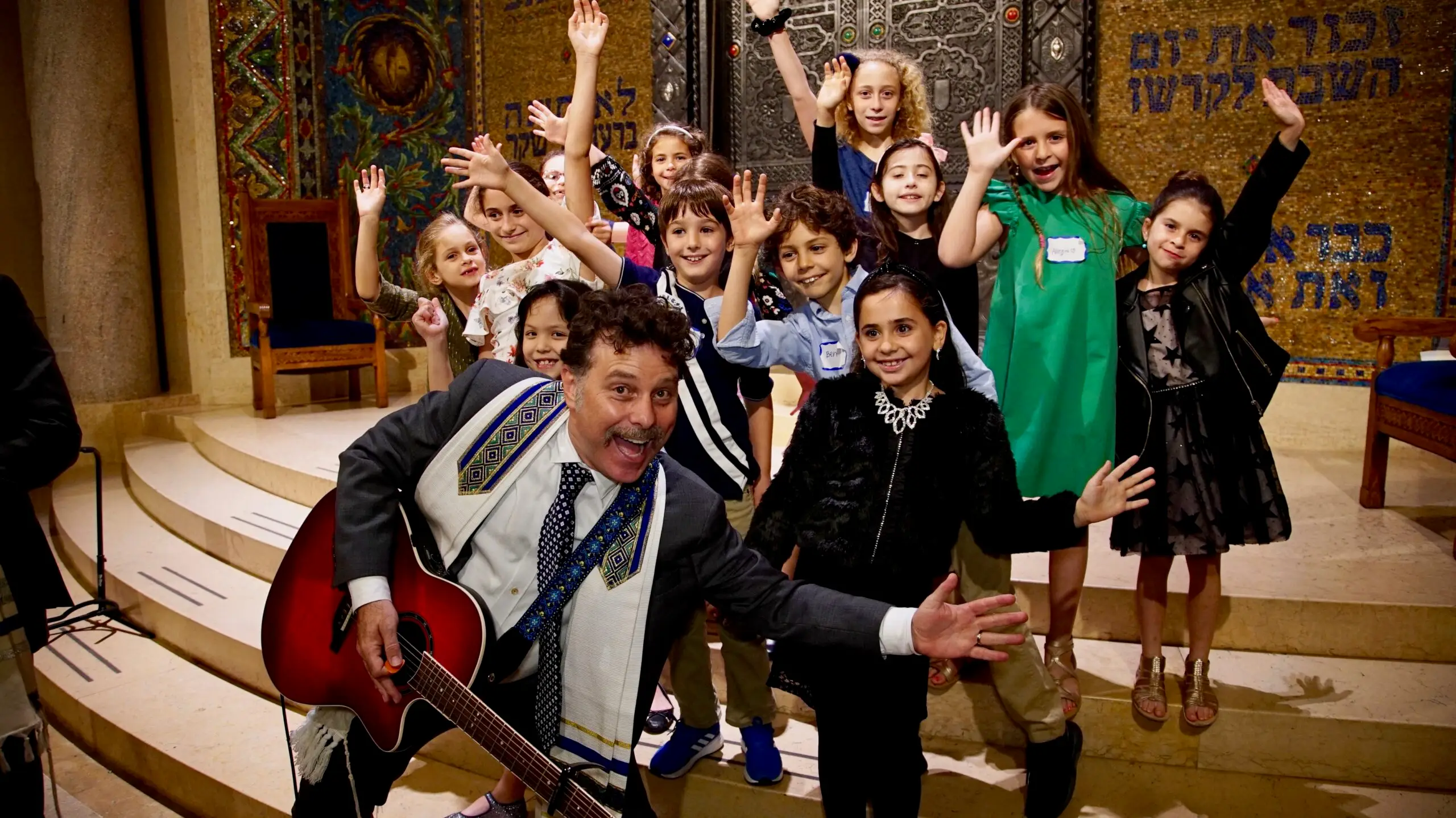
The religious school is reorganized and named the Department of Lifelong Learning.
-
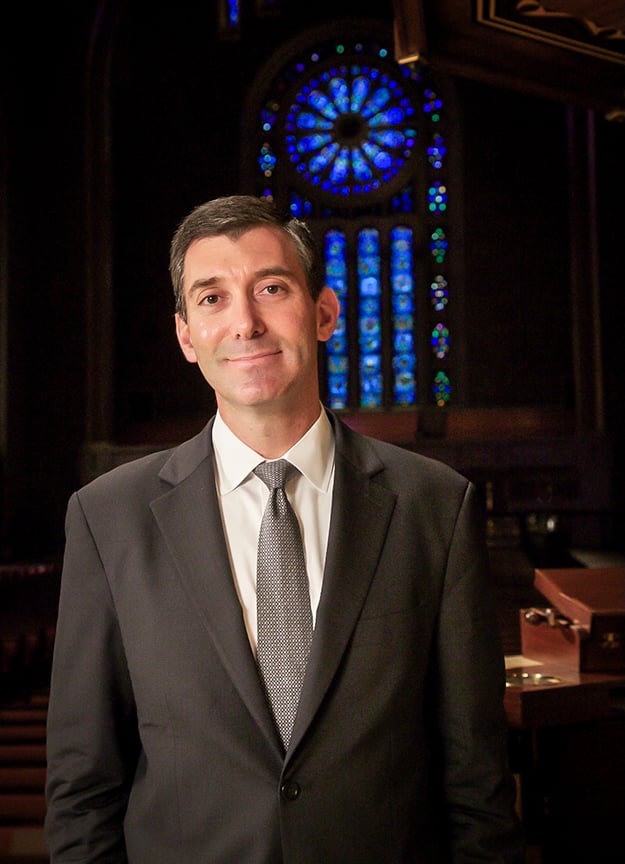
2013Rabbi Joshua M. Davidson becomes senior rabbi.
-
2015The congregation begins to livestream worship services over the internet and on Facebook.
-
2016Mo Glazman becomes senior cantor. Piano, organ, violin, bass, and percussion begin to elevate contemporary musical offerings. Today's music program embraces a variety of genres to make our services welcoming to all.

-
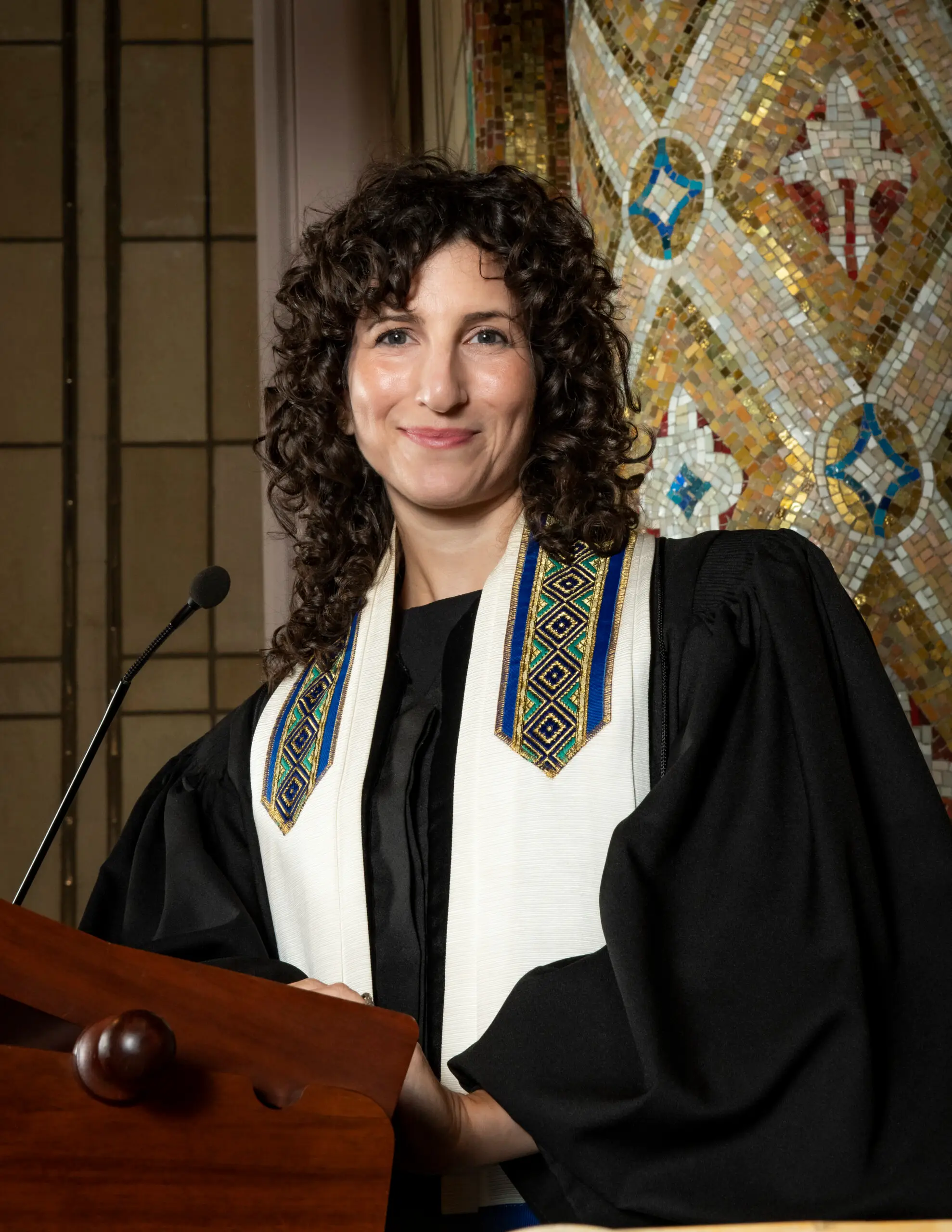
2017Rabbi Sara Y. Sapadin joins the clergy team.
-
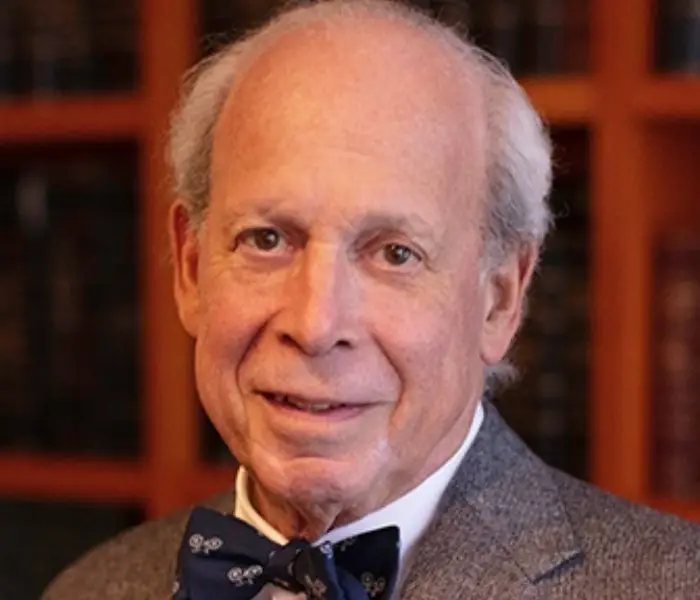
The Skirball Center becomes the Temple Emanu-El Streicker Center thanks to the generosity of the Streicker family.
-
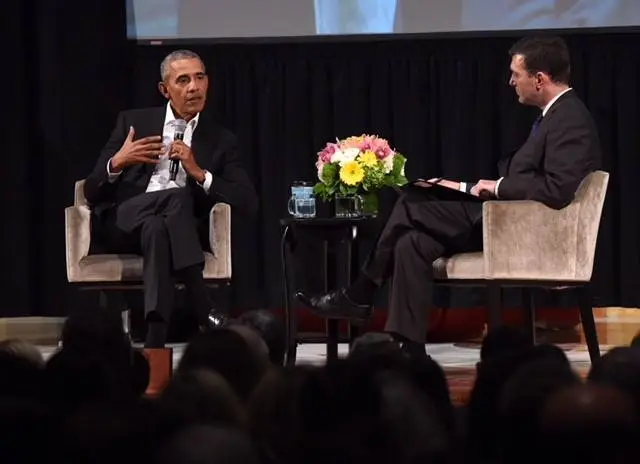
The Streicker Center has hosted three past presidents, Supreme Court justices and a multitude of world-class speakers. The Center hosts over 60,000 in-person audience members annually and another nearly half a million people through its virtual programming.
-
2020–2022A new mahzor and prayer book are created for the congregation, a special blending of the traditions of the Union Prayer Book and contemporary Reform liturgy.
-
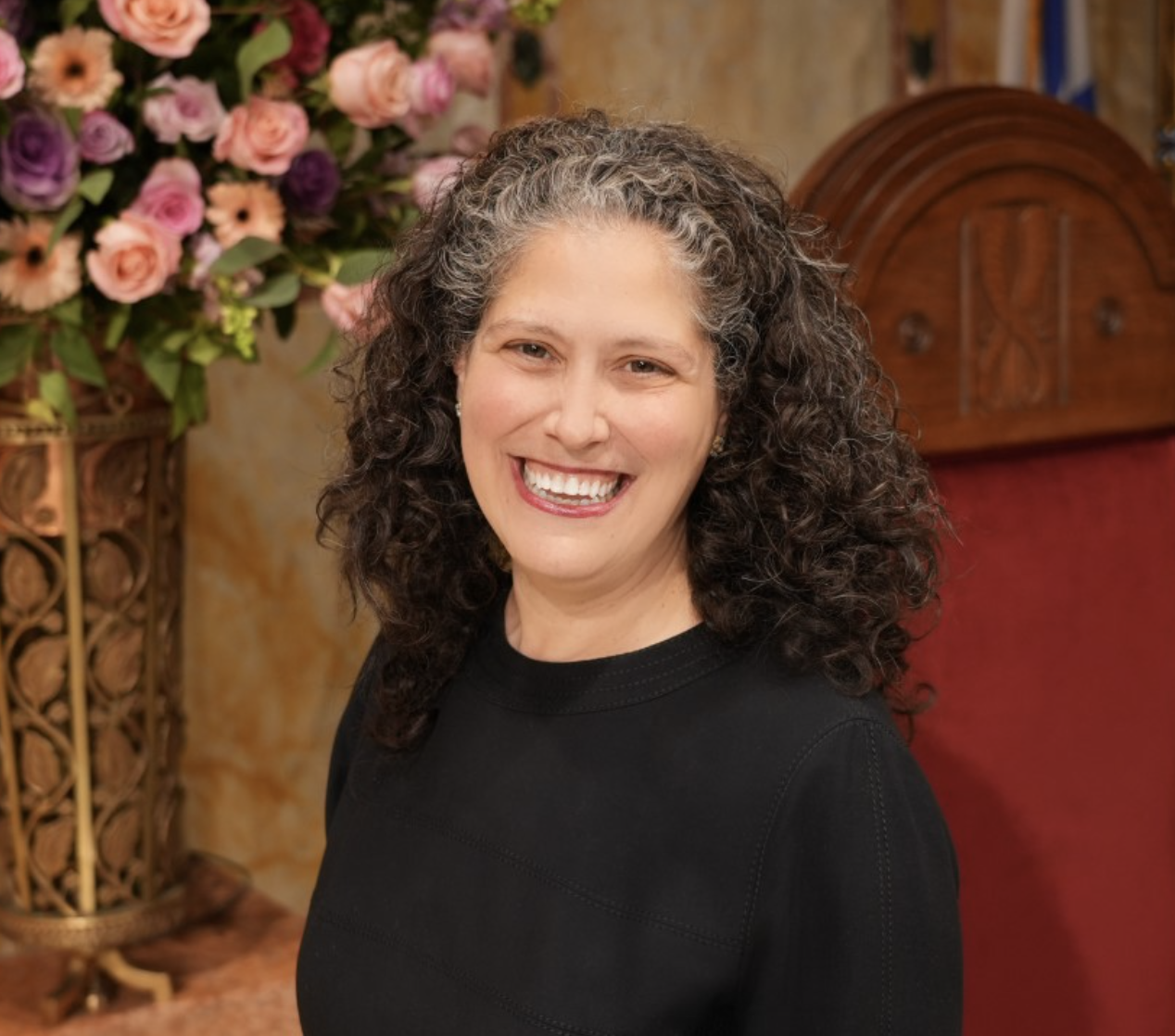
2022Rabbi Sarah H. Reines, who grew up at Temple Emanu-El, joins the clergy.
-
Cantor Sara Anderson joins the clergy.
-
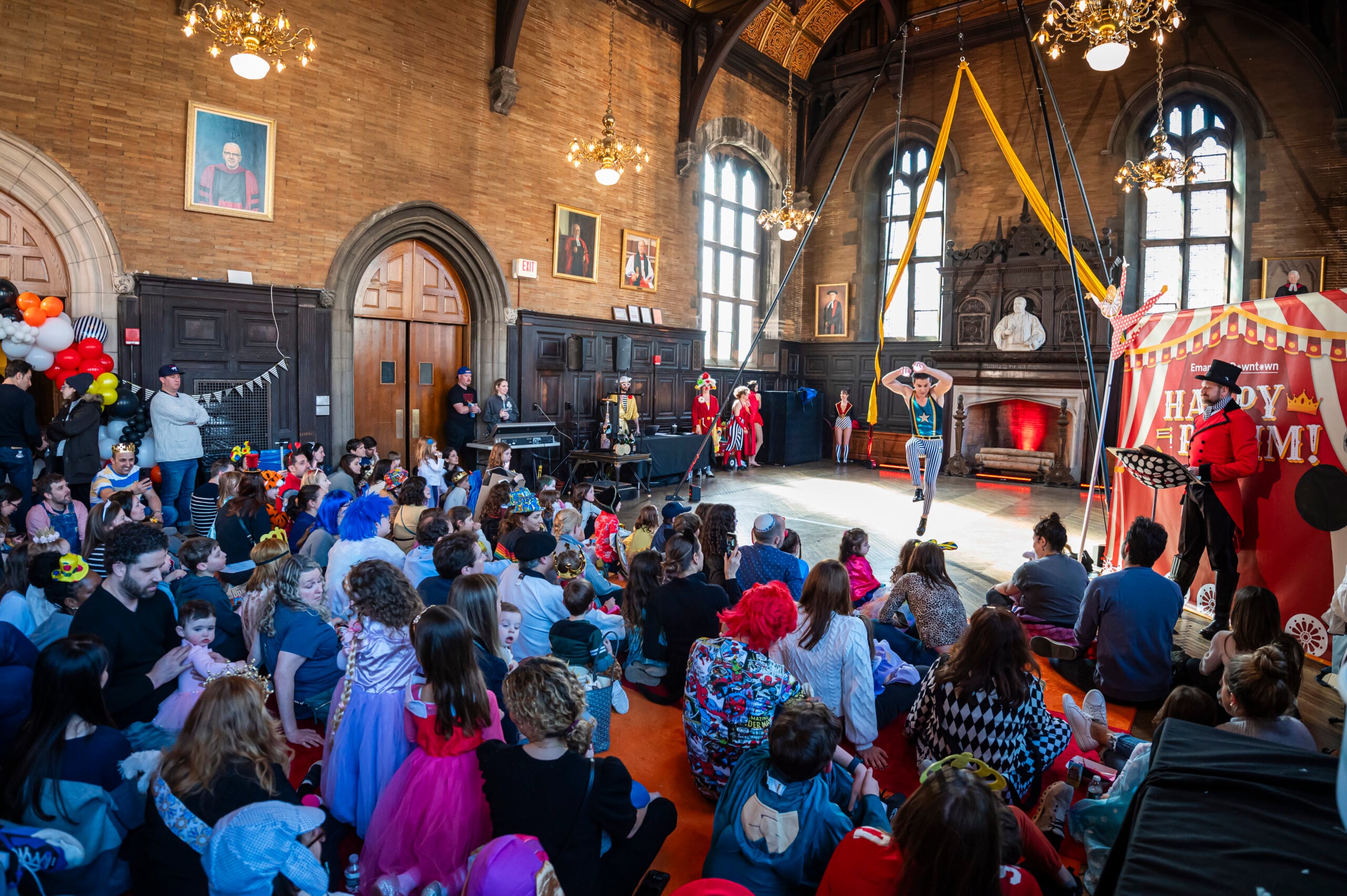
Emanu-El Downtown is established in order to meet the growing needs of the downtown Jewish community.
-
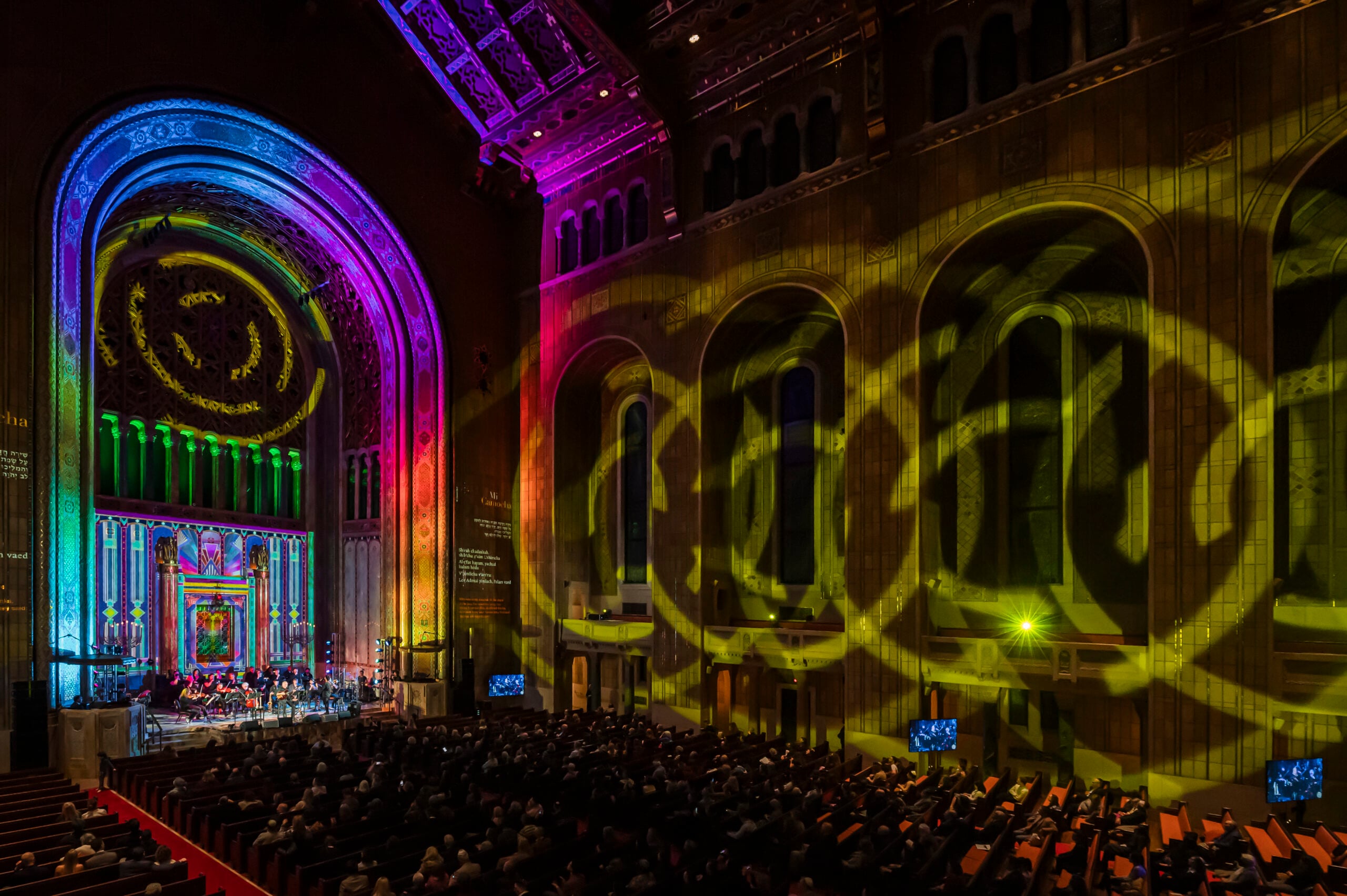
The Streicker Outreach Center is created to connect with Jewish young professionals in the city.
-
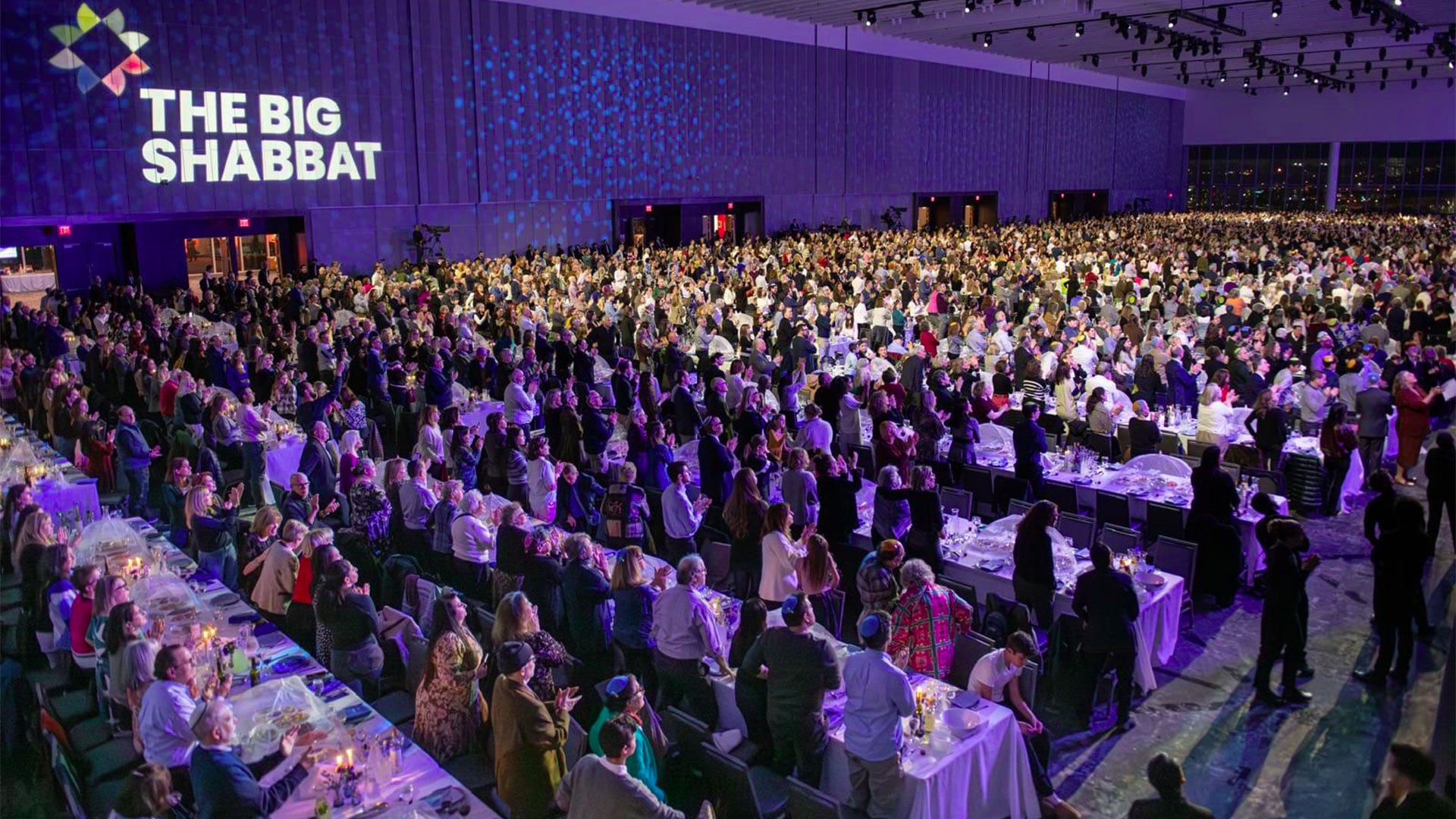
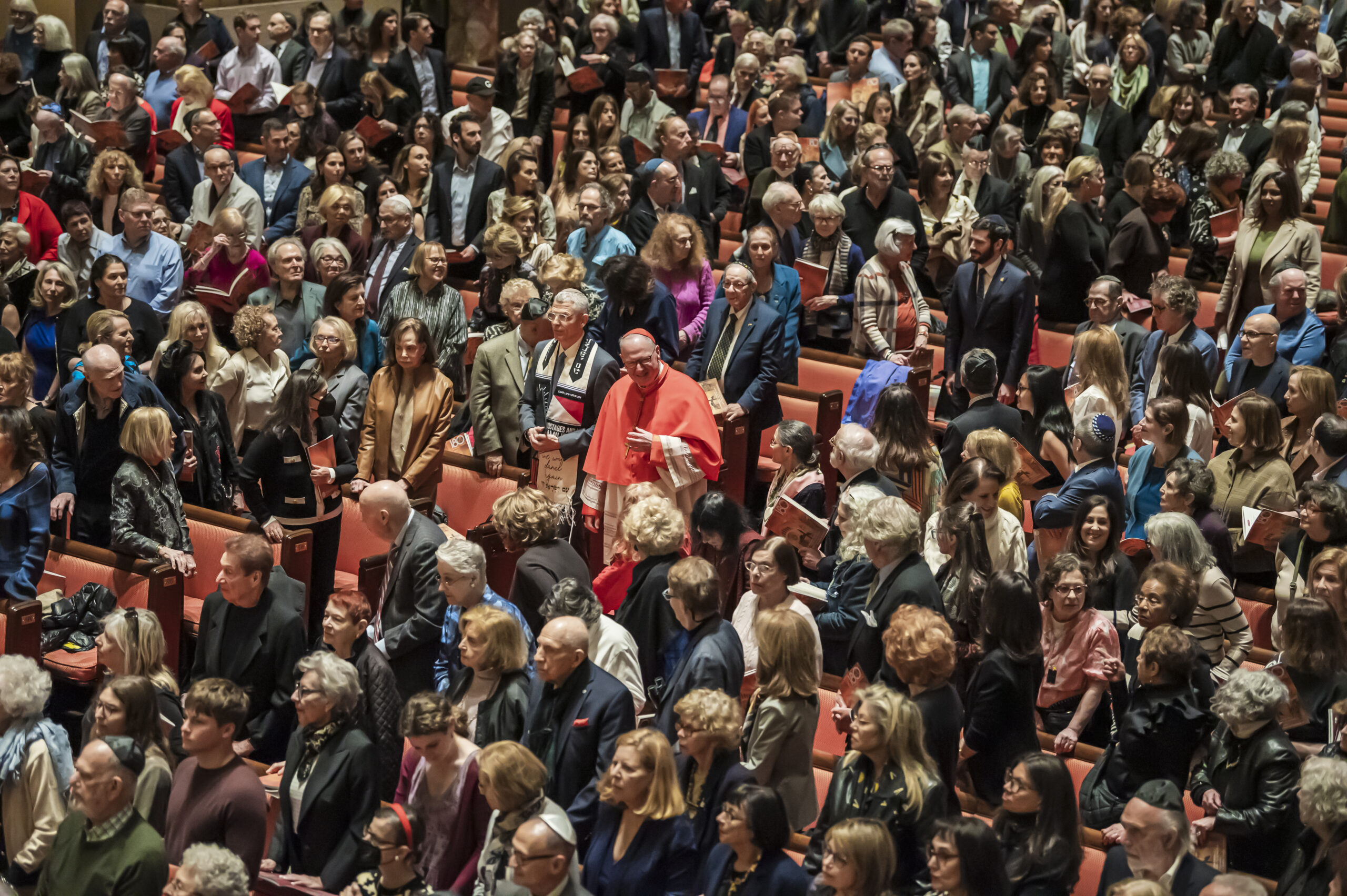
2025Temple Emanu-El kicks off our 180th anniversary celebrations with a specail Shabbat service.
-
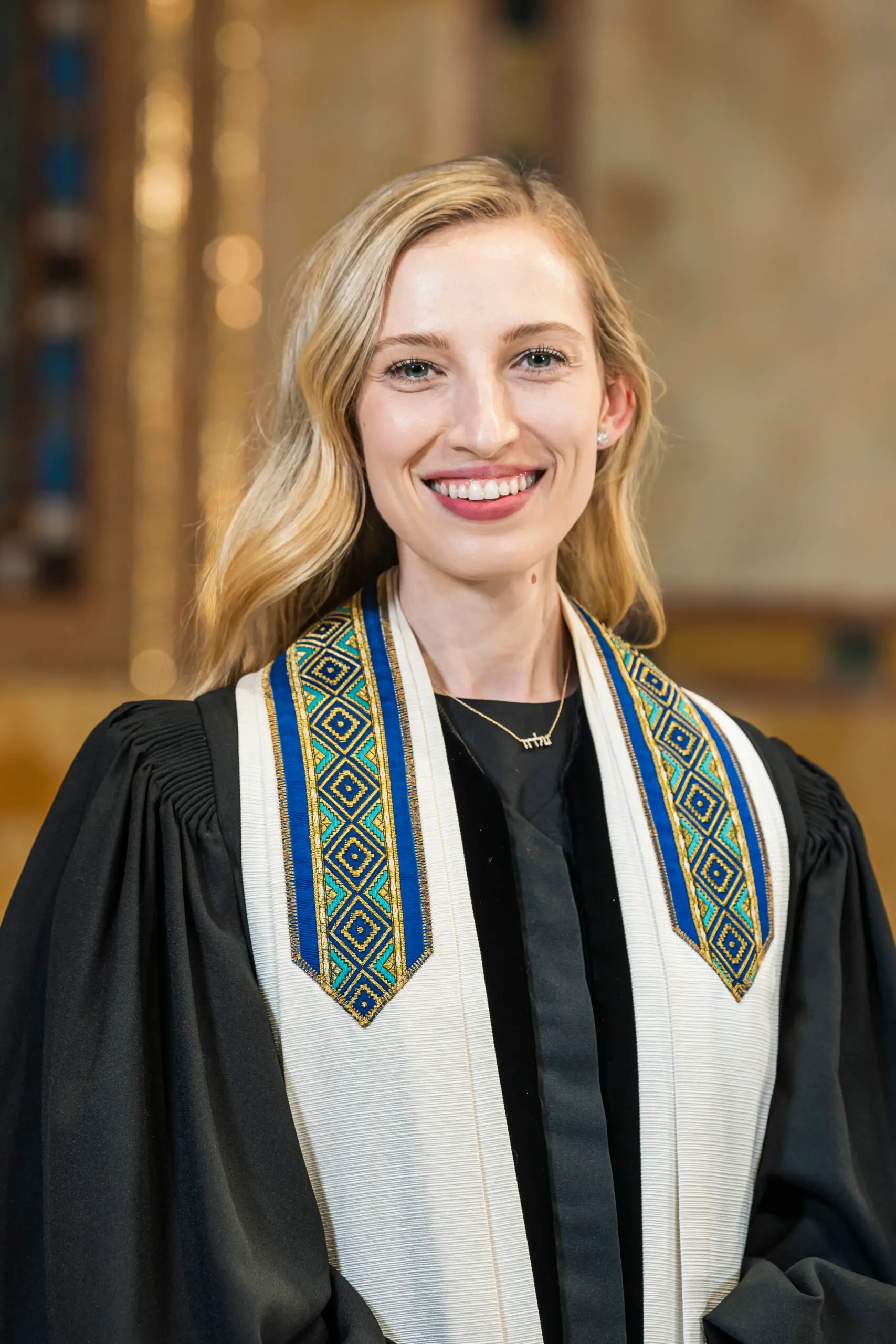
Rabbi Emma Dubin joins our clergy team upon her ordination after two years as our rabbinic intern.

-
The Temple Emanu-El Streicker Cultural Center brings together nearly 3,000 Jews to break the world record for the largest Shabbat dinner in history.